
A club-ready kit for hands-on making after class
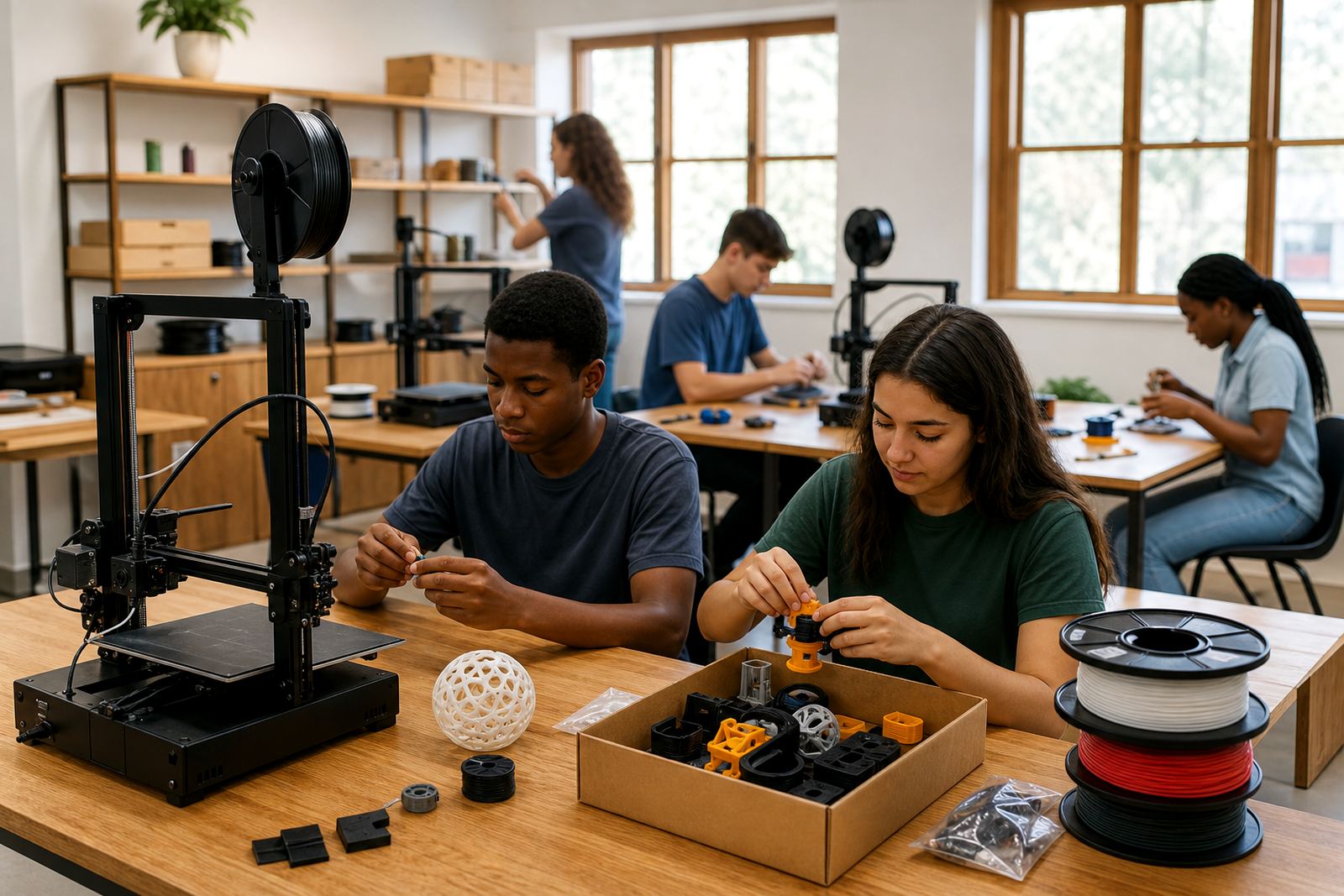
The After School Club Kit is built for learners who want to design, print and test ideas in a smaller group setting. It suits maker clubs, holiday programmes, robotics groups, library programmes and enrichment spaces where learners work on projects once lessons are done. The focus is on simple setup, safe use and enough equipment to keep a group active without making the room difficult to manage.
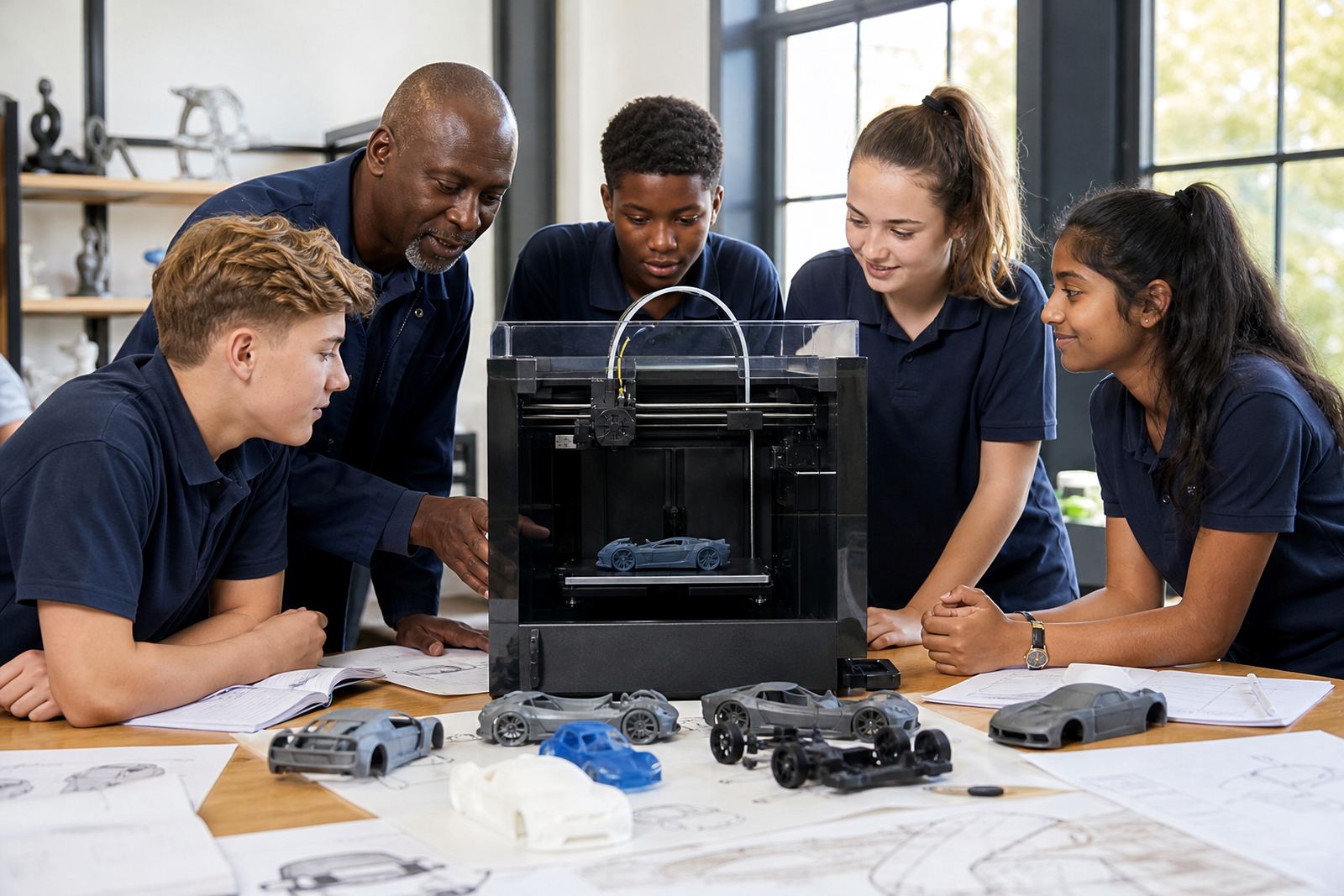
Each kit is planned around a classroom or club room where staff need practical tools, not complicated extras. Teachers and facilitators can guide learners through basic CAD work, printer operation and simple project planning, then move into small print runs, model adjustments and finish work. It is a good fit for schools in Stellenbosch, Cape Town, Paarl, Somerset West and other towns where clubs run in shared spaces and storage must stay tidy.
- Suitable for 6 to 12 learners at a time, depending on the activity plan
- Works for beginner design lessons and simple print projects
- Useful for enrichment groups, holiday clubs and maker spaces
- Designed for school rooms, not industrial workshops
What the kit includes and how the options differ
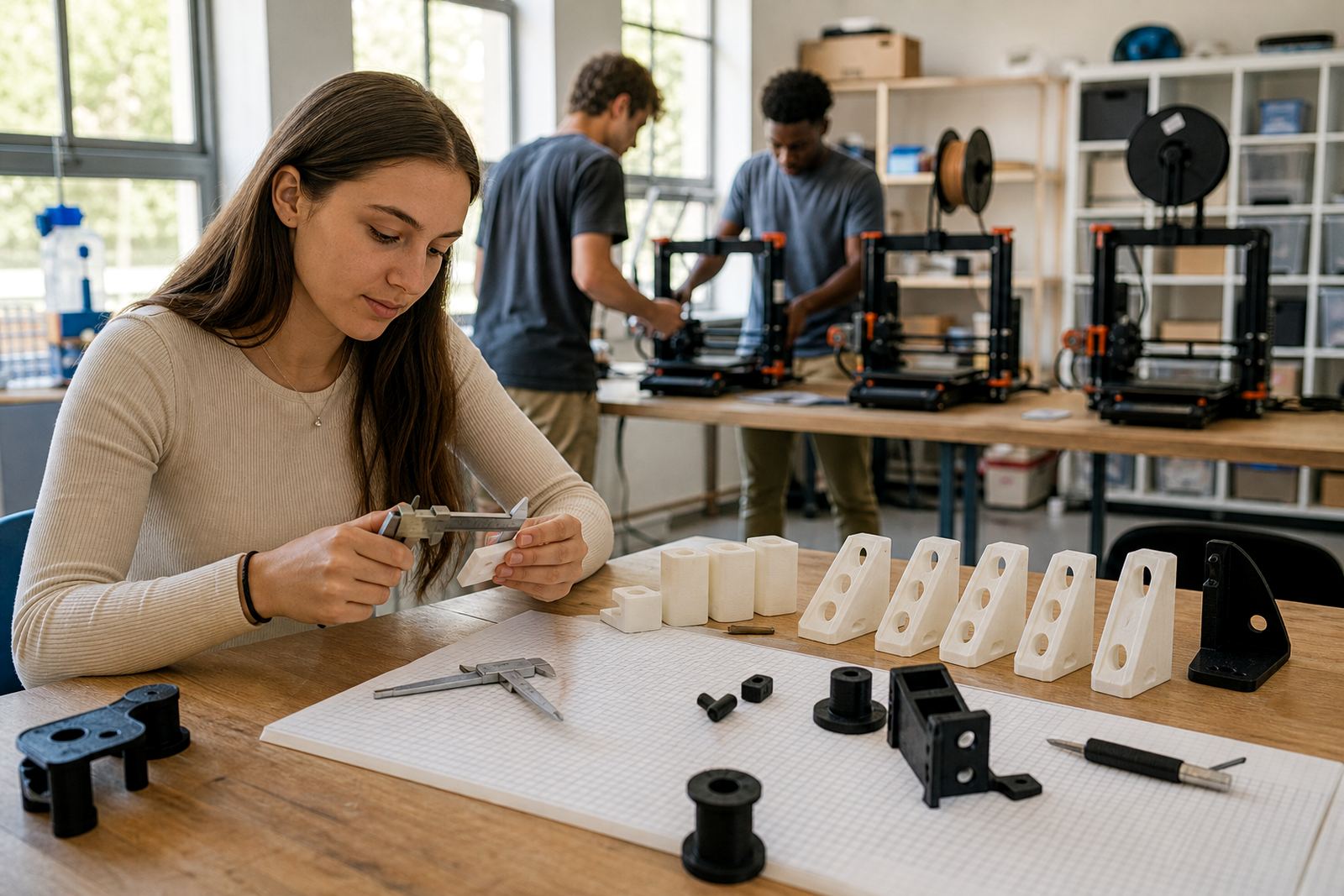
The kit is supplied as a package that can be matched to the age group, room size and the level of support needed. A basic setup may include one benchtop printer, starter filament, sample files, tools for removing prints and a clear storage plan for consumables. Larger club setups can include more than one printer, extra build plates, filament storage and a stronger focus on workflow so learners can rotate through design, print and finishing stations.
Options can also vary by learner age. Younger groups often need shorter print jobs, simpler models and more supervision, while older learners may benefit from more design time and a wider range of project examples. If the club wants to work on badges, key tags, components, prototypes or art pieces, the kit can be matched to those goals. For schools with limited storage, the package can be arranged around compact equipment and smaller consumable quantities.
- Single-printer or multi-printer layout
- Starter consumables and basic hand tools
- Optional storage for filament and print accessories
- Can be matched to beginner, intermediate or mixed-age groups
Where the kit fits best in a school or club room
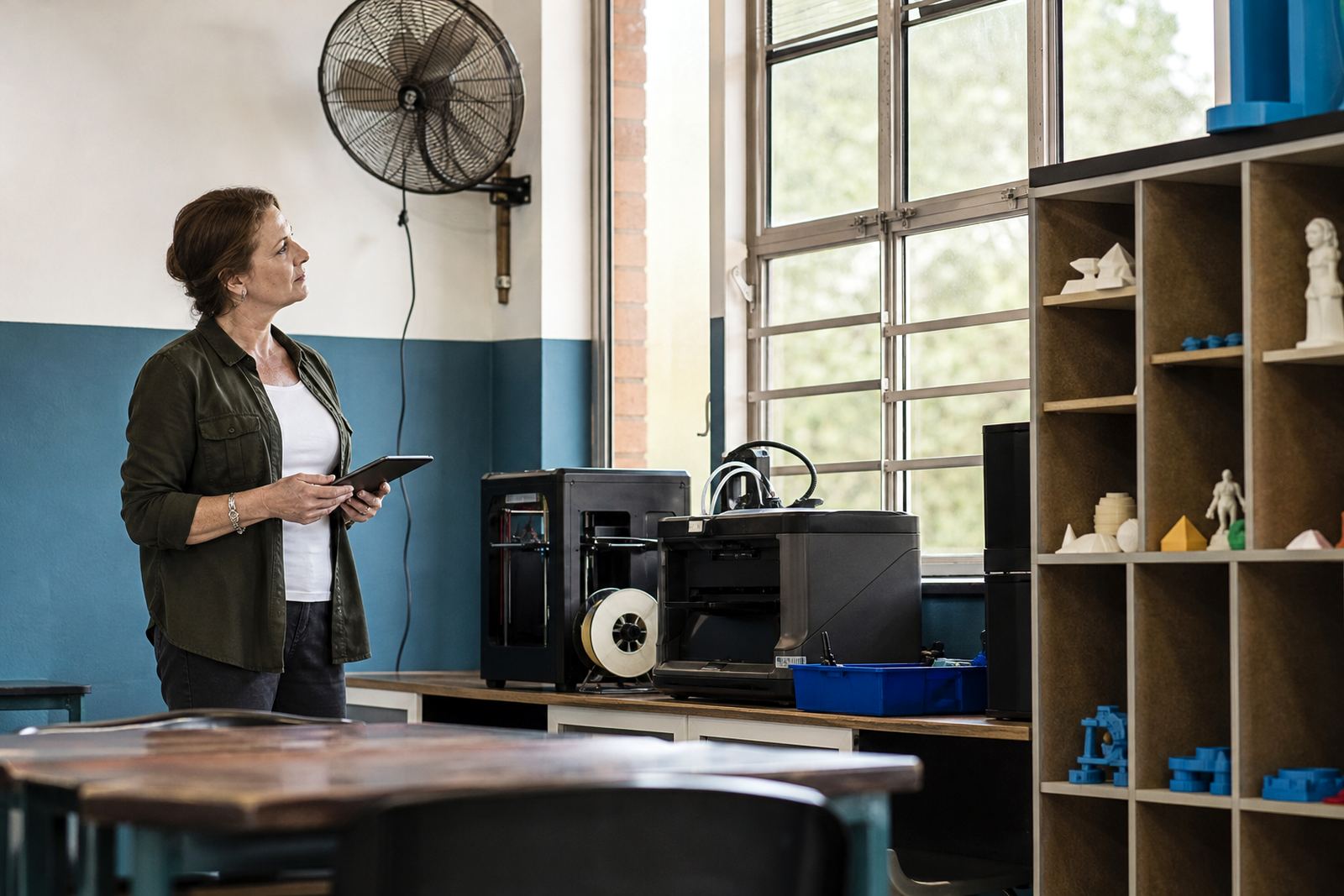
This product works well in a room that has a stable table, decent ventilation and a safe place for learners to wait while a print is running. It is often used in libraries, technology rooms, art rooms, labs and after-school club spaces where furniture can be arranged in stations. A small, organised room is usually better than a crowded one, because learners need space to move around hot equipment and still keep tools sorted.
The kit is also useful for schools that want to start small before adding more printers later. In places like Johannesburg, Pretoria, Durban and Gqeberha, clubs sometimes run in borrowed rooms or shared spaces, so portability matters. The equipment should be easy to pack away when not in use, and it should not depend on a complicated installation process. Where coastal humidity is a concern, dry storage for filament is important so print quality stays consistent.
- Best for schools with a dedicated or shared activity room
- Needs clear bench space and supervised access
- Suitable for short sessions, weekly clubs and holiday programmes
- Dry storage is recommended in humid coastal areas
Installation, power and room setup basics
Setup is straightforward, but the room still needs a few basics in place. A level surface, nearby plug point and a clear walk path around the equipment make a big difference. Most club kits run from standard mains power and do not need special gas connections or workshop utilities. If the club room is affected by load-shedding, it helps to plan print jobs around available power times and keep long prints for sessions where supervision is certain.
For safety, the kit should be kept away from wet areas, loose cables and busy passageways. Teachers should set out simple rules for touching hot surfaces, handling moving parts and waiting for prints to cool before removal. It also helps to decide in advance who may switch equipment on, who may start prints and where finished items will be placed. A tidy room saves time and cuts down on mistakes.
- Standard mains power only
- No gas supply needed
- Level bench or table required
- Supervised access recommended at all times
Care, maintenance and day-to-day use
Regular care helps the kit stay ready for club sessions and classroom use. The main printer should be cleaned regularly, build plates should be checked for residue, and filament should be stored in a dry place when not in use. Club groups often print in bursts, so it helps to build a quick opening and closing routine for each session. That includes checking the nozzle area, removing scraps, and making sure tools are returned to their tray.
For regular clubs, simple maintenance tasks can be taught to staff or older learners. These include checking belts and moving parts for dust, keeping the print area clear and watching for first-layer problems before a print runs too far. If a printer is used daily, it will need more attention than one used only for holiday workshops. A small maintenance log is useful because it shows when parts were cleaned, checked or replaced.
- Store filament in sealed containers where possible
- Keep the printer free of dust and loose bits
- Clean the build surface as needed
- Log minor faults early, before they become bigger repairs
What to confirm before ordering this club kit
Before ordering, it helps to confirm the size of the group, the ages involved and the kind of projects the club wants to make. You should also check where the equipment will be kept, whether there is a steady power point, and who will supervise sessions. If the school wants to use the kit for more than one group, ask about a layout that supports shared use and safe storage between sessions.
It is also worth checking what support is needed after delivery. Some schools only need the kit and basic handover guidance, while others want a stronger setup plan for room layout, materials and learner flow. If you are ordering for a school in Cape Town, Durban, Pretoria or Gqeberha, it helps to consider transport, storage and local room conditions before finalising the package. That way the club can start with the right equipment and avoid buying pieces later that do not fit the plan.
- Group size and learner age range
- Available room space and storage space
- Power access and supervision plan
- Need for setup guidance or maintenance support