Choosing the Right Use for Your Subject
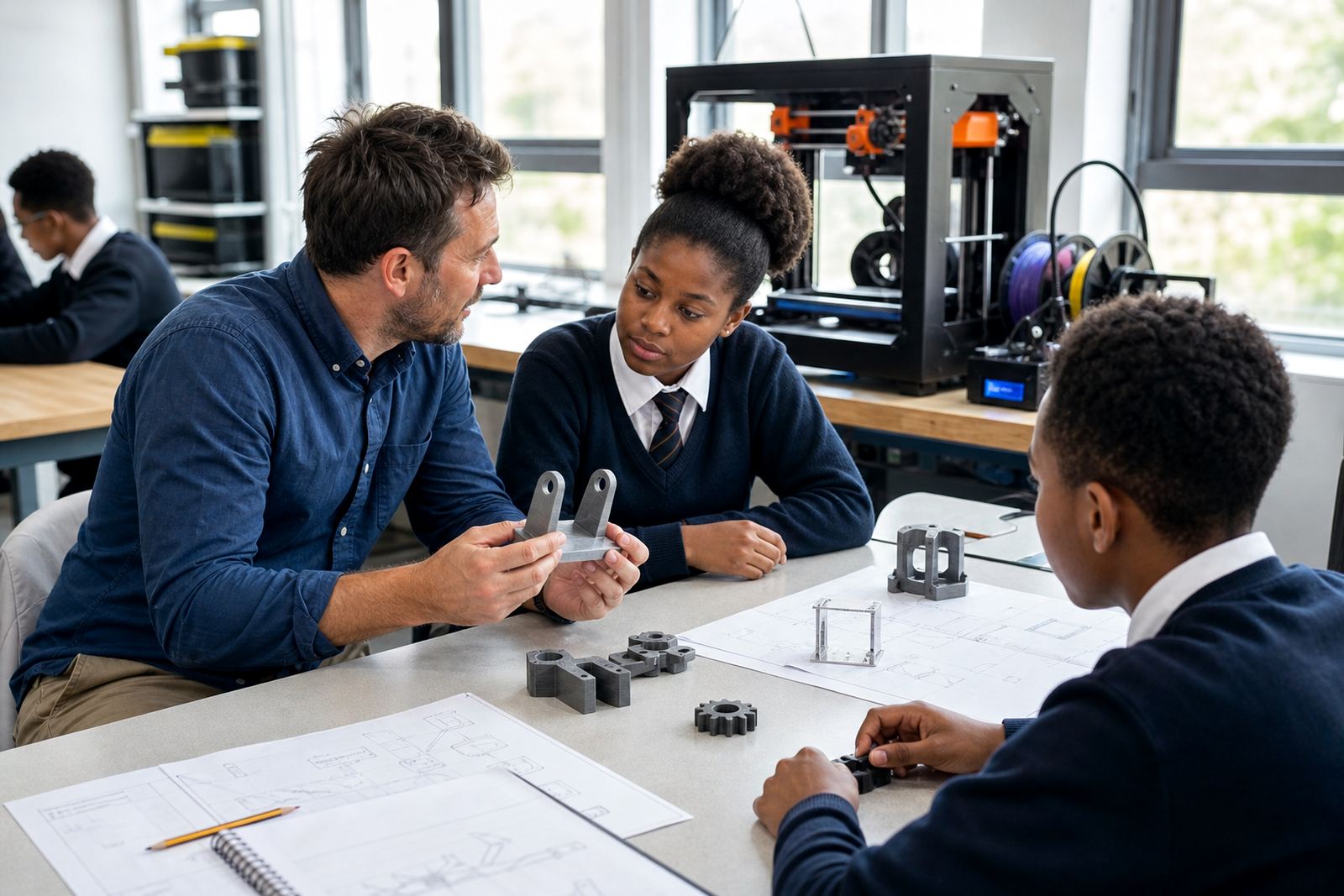
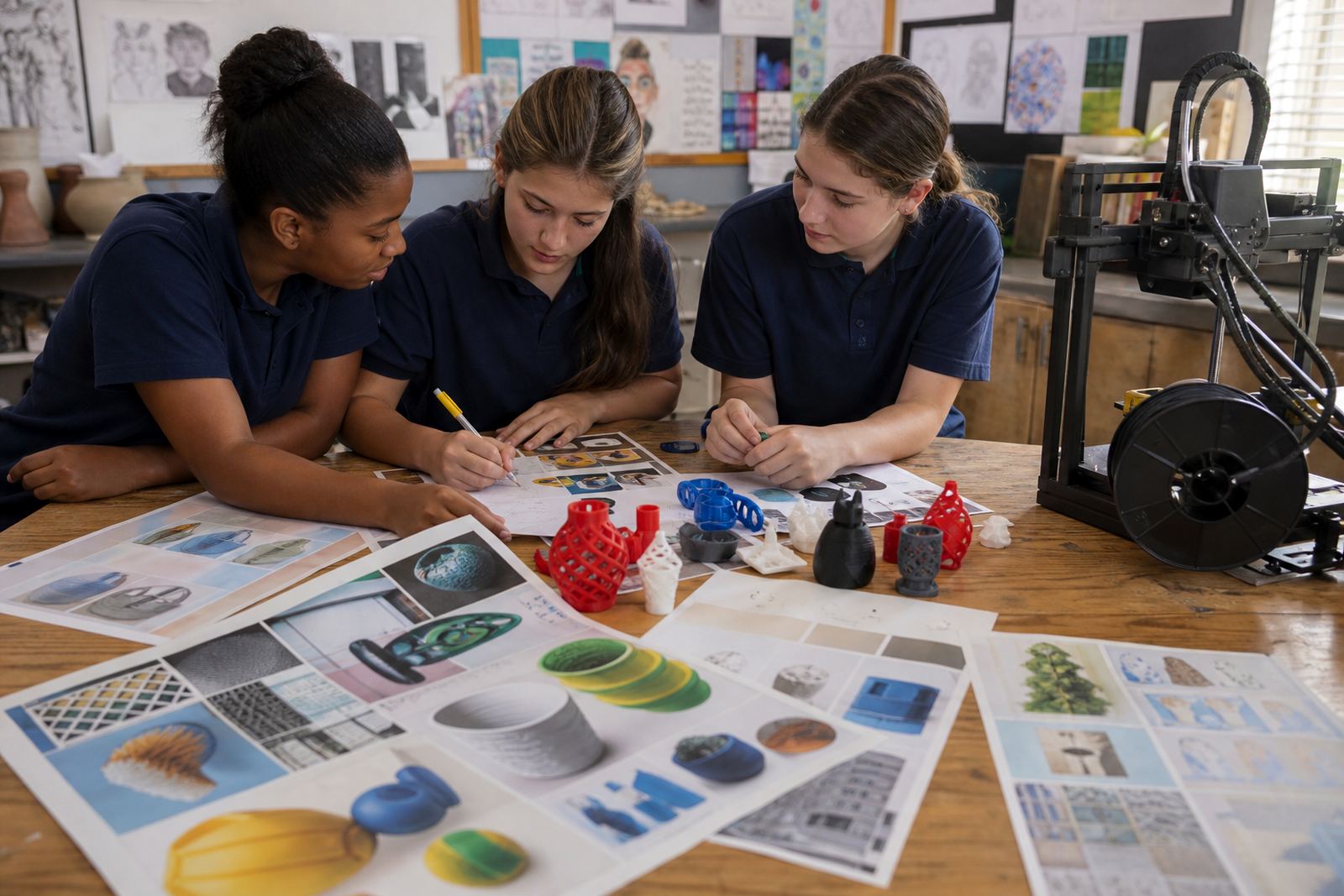
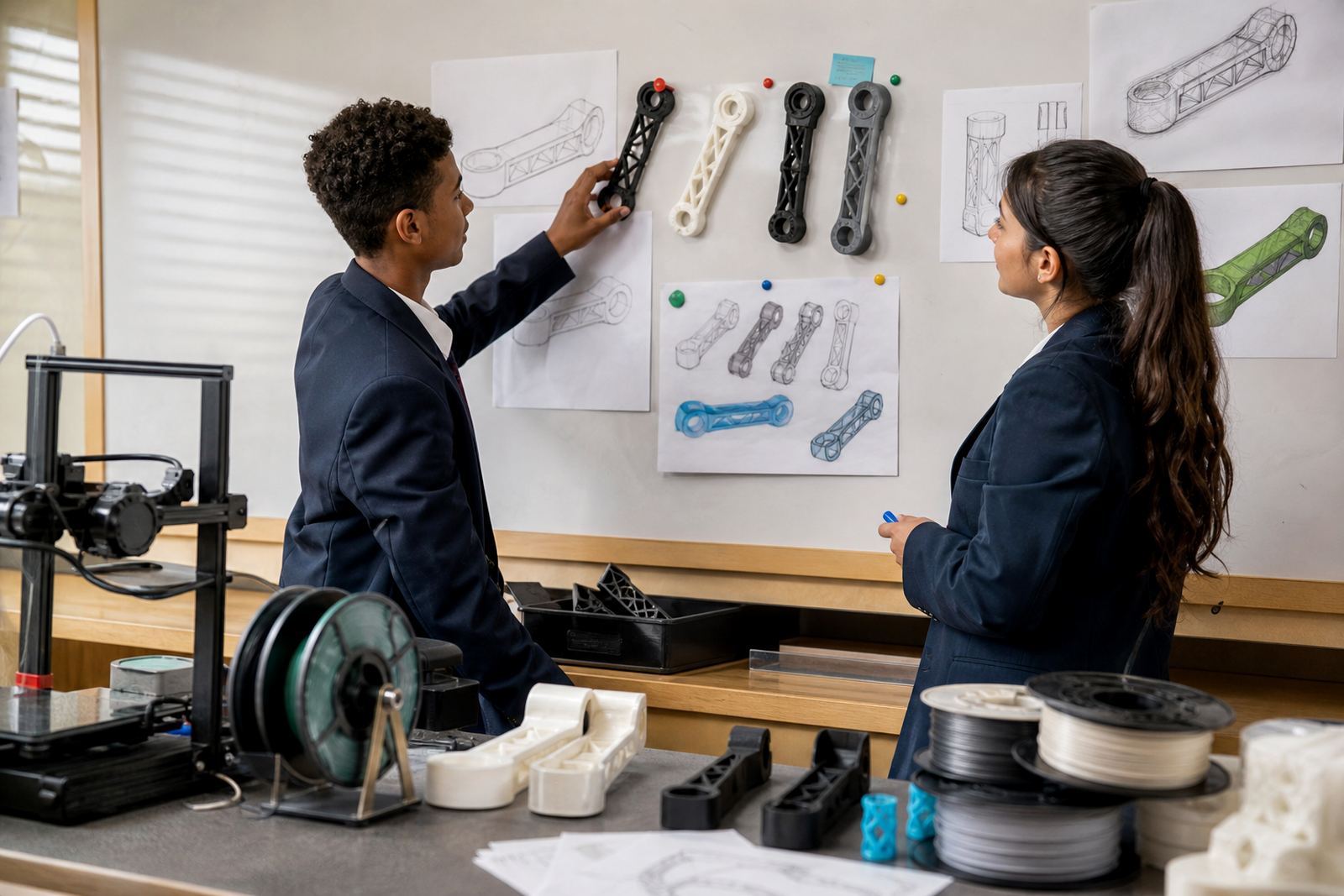
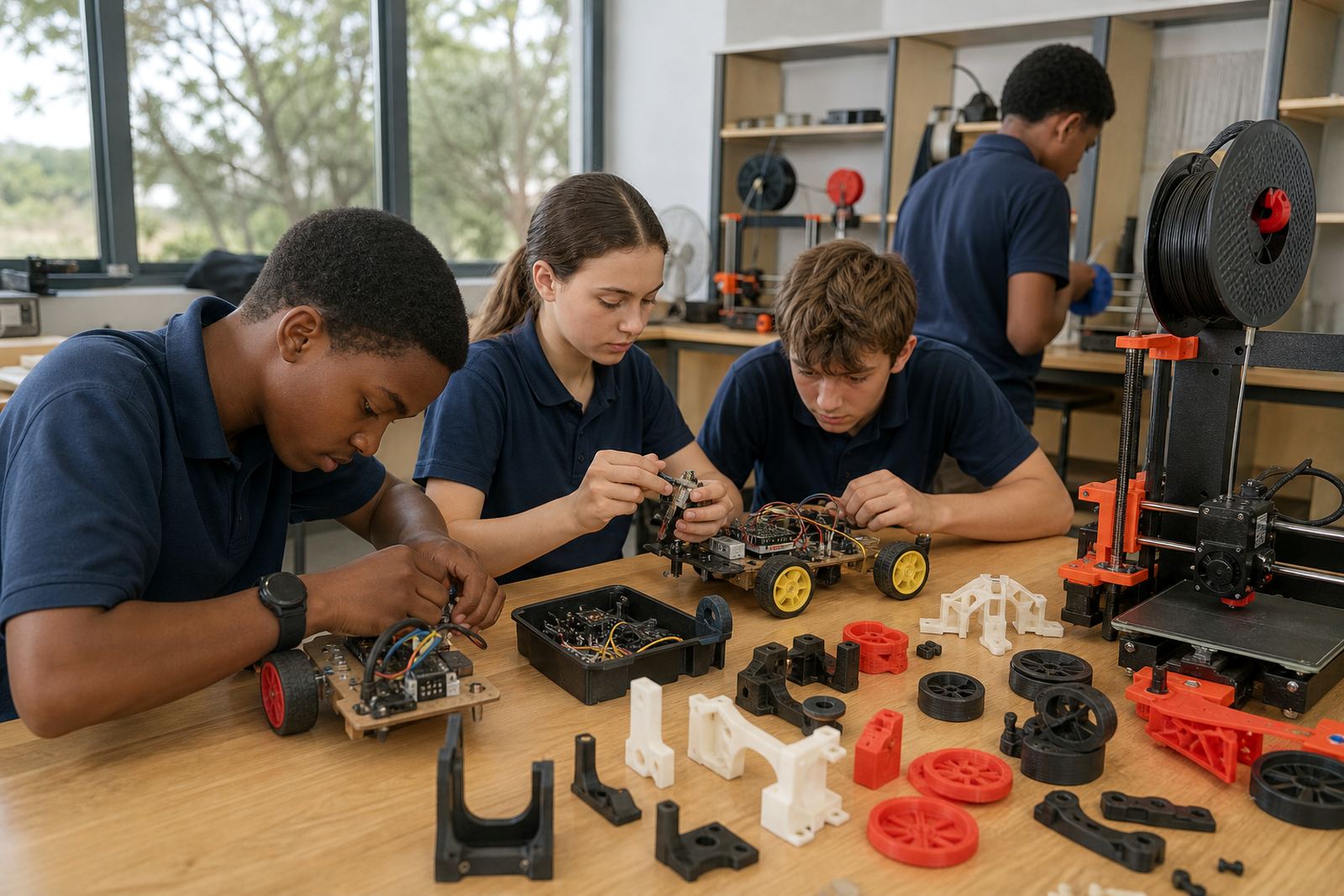
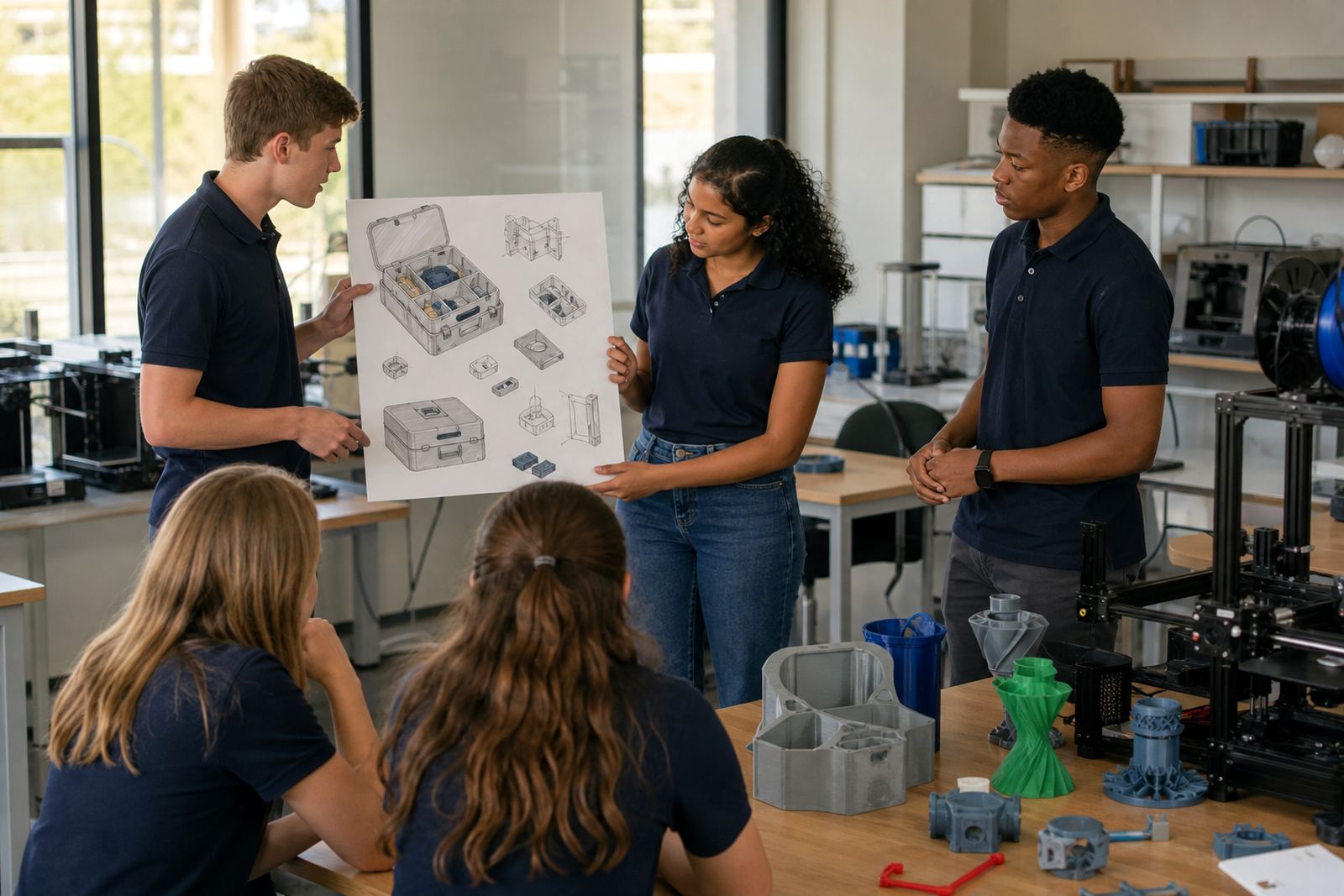
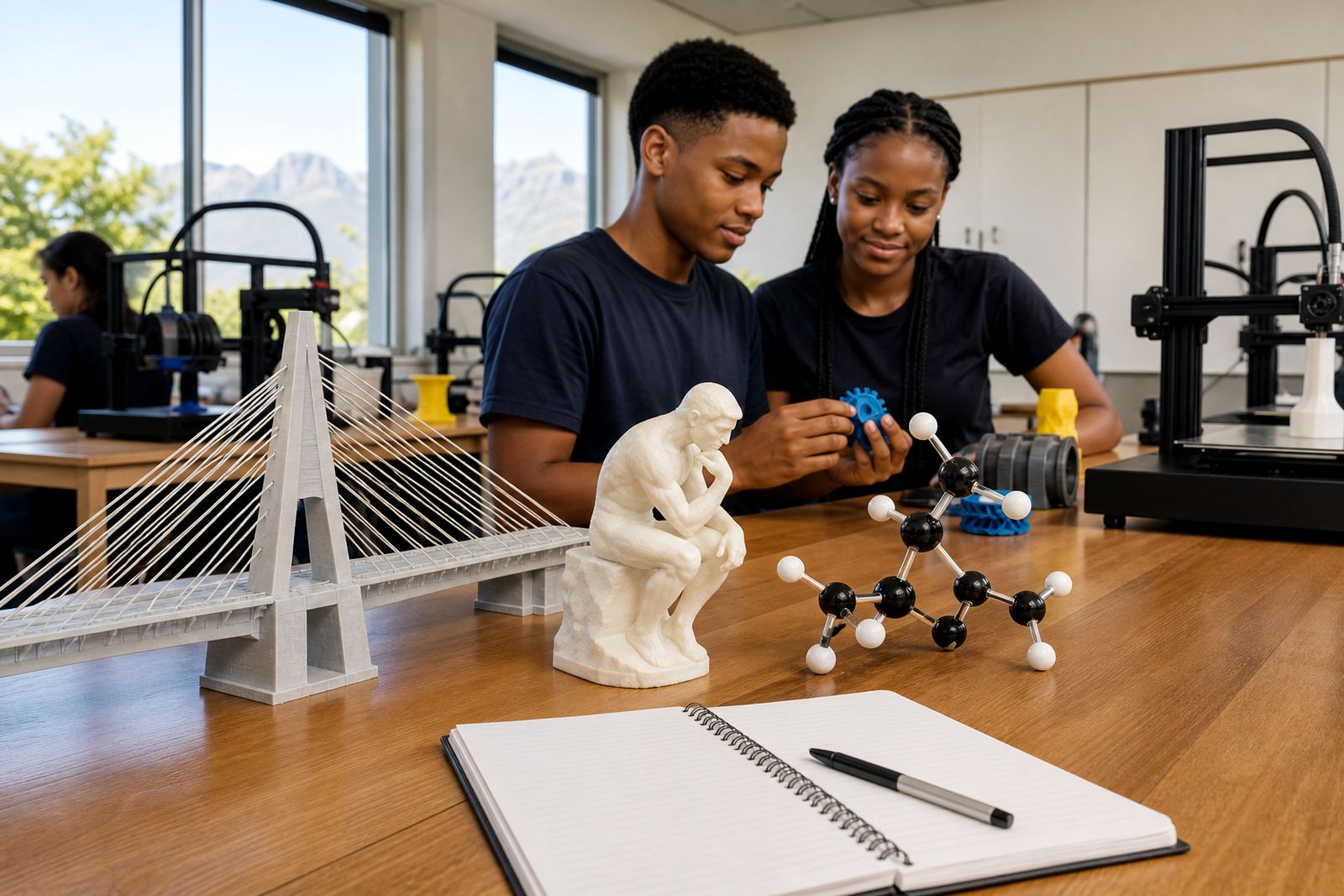
Maker projects work well when learners need a clear challenge and a visible outcome. A group can design a bridge section, a container, a gear, a simple tool handle or a classroom aid. These projects support planning, measurement and the habit of checking whether a design actually works.
In South African schools, maker projects are often easier to run when they are kept small and practical. A project should fit the available print area, the class time and the technical confidence of the group. It also helps to keep a few sample objects on hand so learners can compare thickness, finish and strength before they start printing.
- Simple prototypes for design and engineering lessons
- Custom tokens, labels or teaching aids
- Small repair or replacement parts for school use
- Display items for exhibitions and open days
Classroom Uses for Science, Maths and Technology
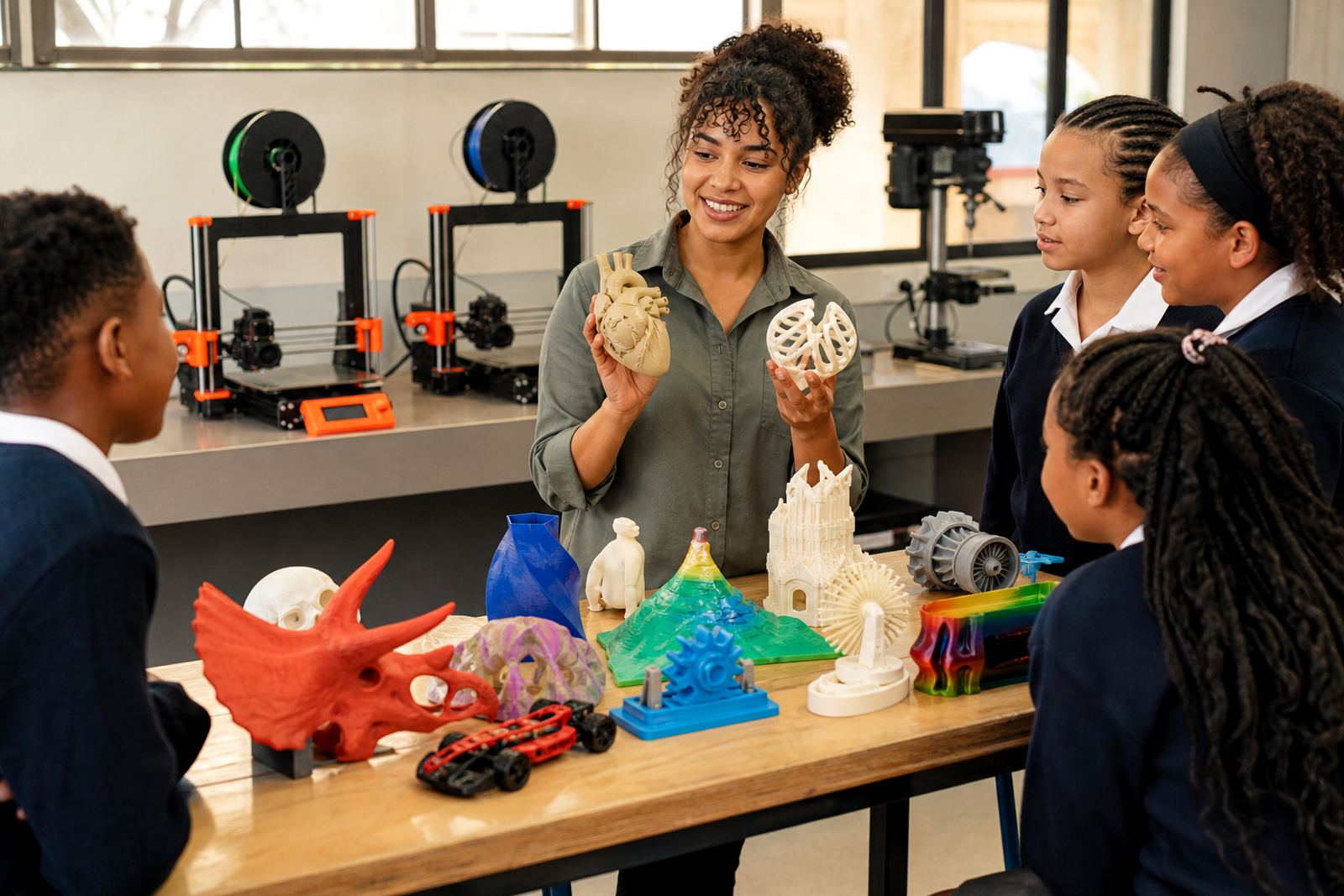
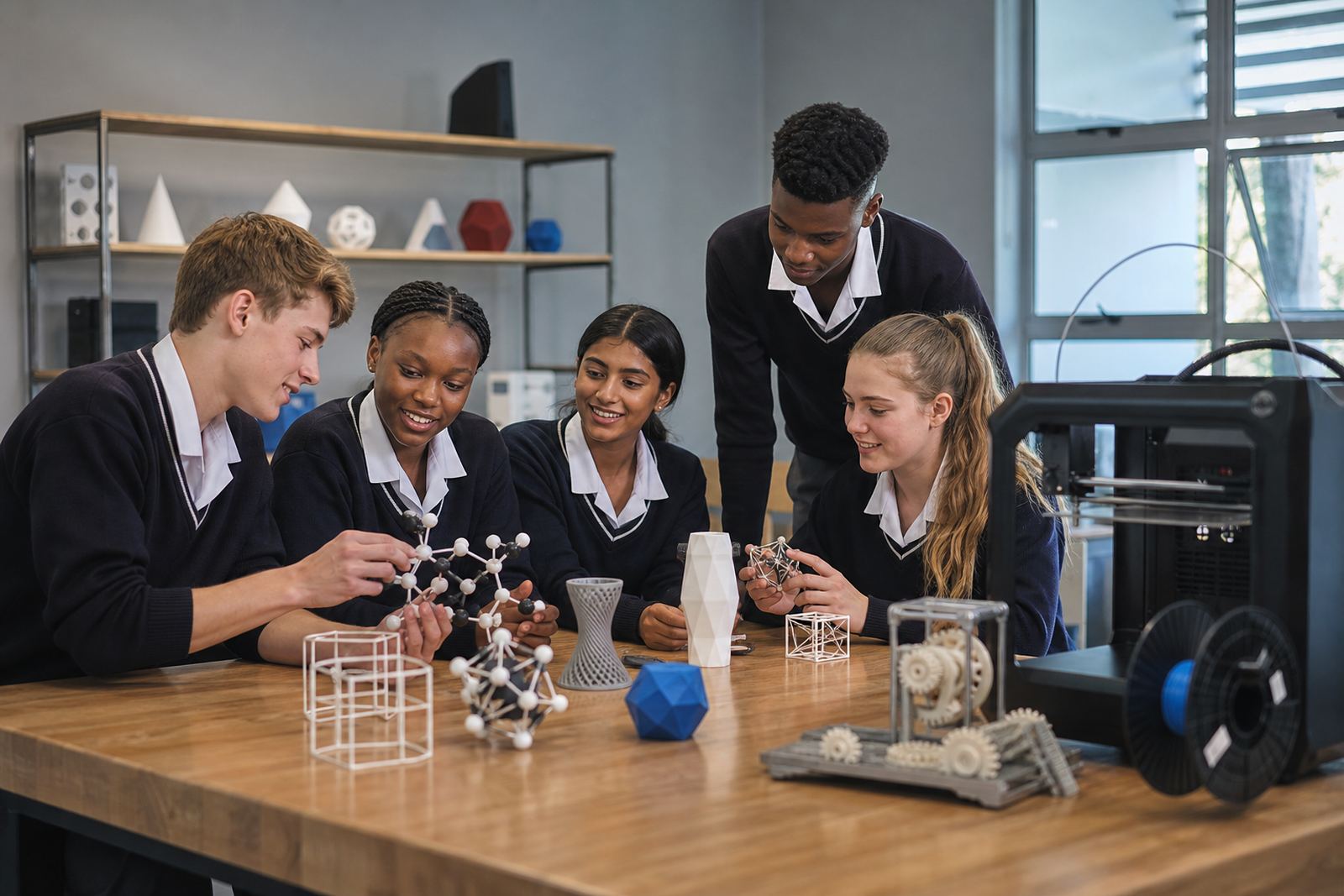
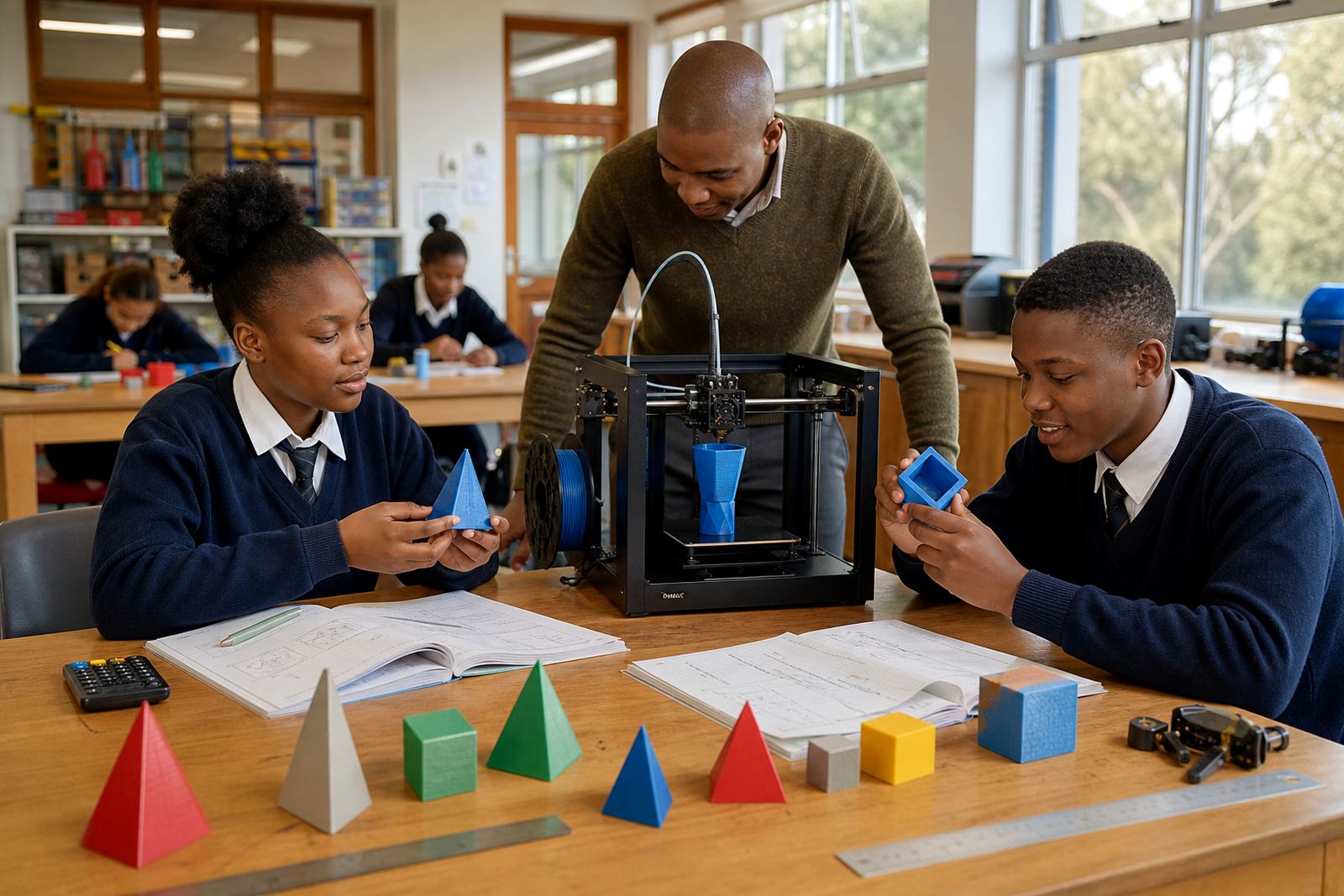
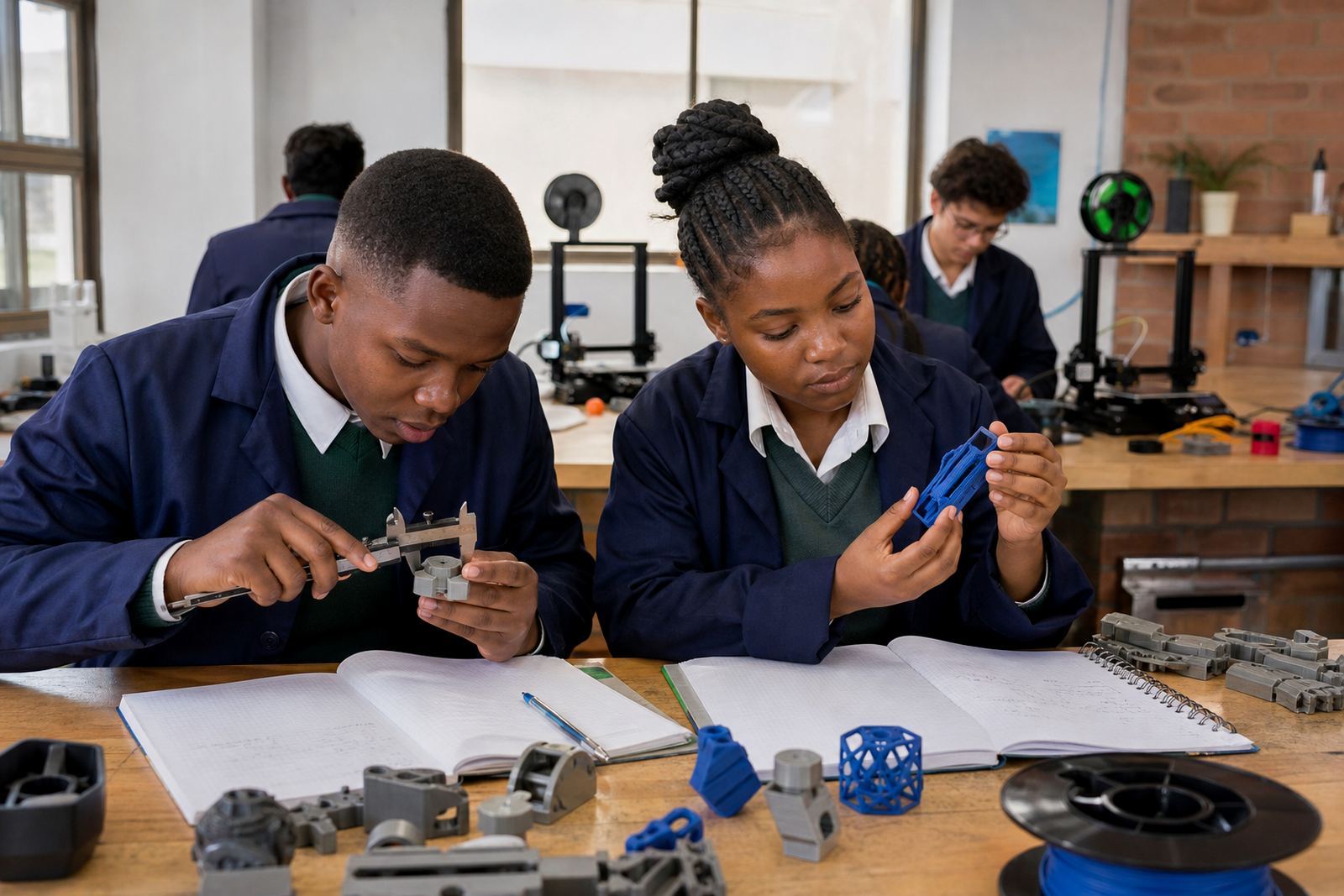
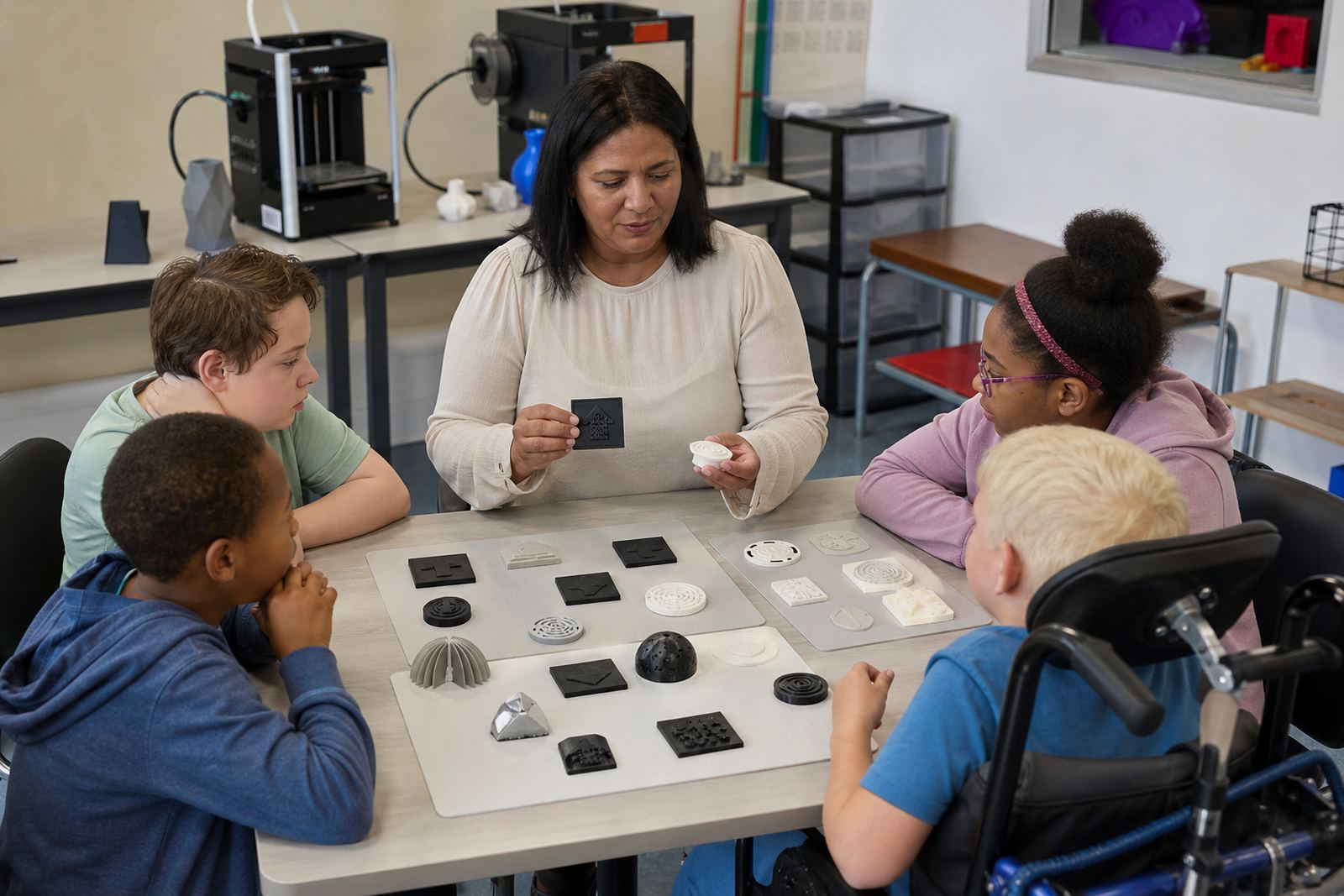
3D printed models can make abstract concepts easier to handle. In science, learners can study shapes, layers, joints and structures in a more direct way. In maths, models can be used for geometry, scale and spatial reasoning. In Technology, the process supports drafting, measurement, tolerances and the link between a drawing and a finished object.
For schools in Cape Town, Johannesburg, Pretoria, Durban and Gqeberha, the best results usually come from steady, repeatable activities rather than one-off novelty jobs. A teacher can build a small bank of tasks that match the term plan and reuse them from year to year. If a class is large, it often helps to split the process into design, print queue and review stages so the lab stays orderly.
- Geometry solids and sectioned shapes for maths lessons
- Science models that show form, fit and movement
- Technology tasks that build measuring and design skills
- Project based learning where learners present their finished work
Support for Teachers and Lab Coordinators
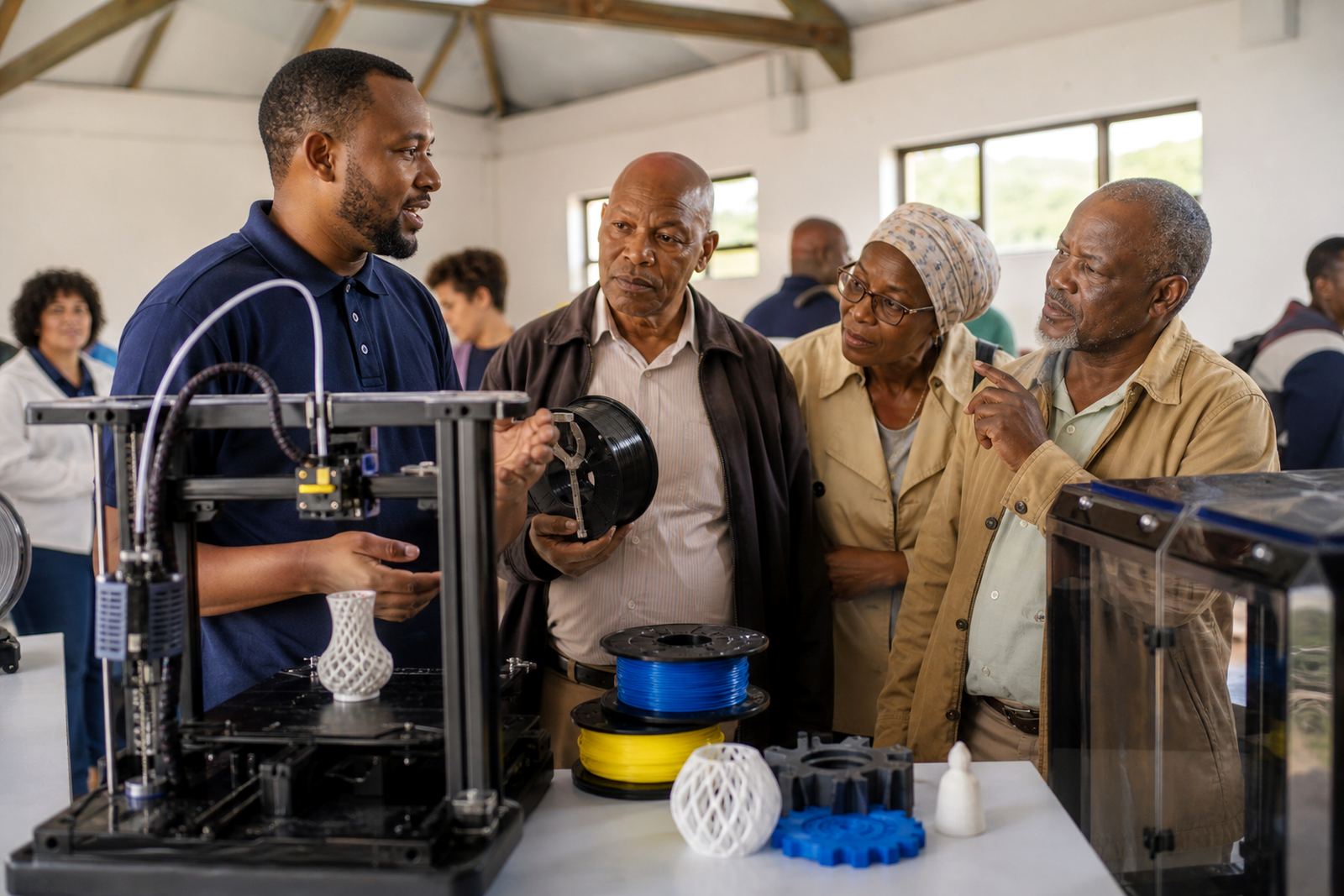
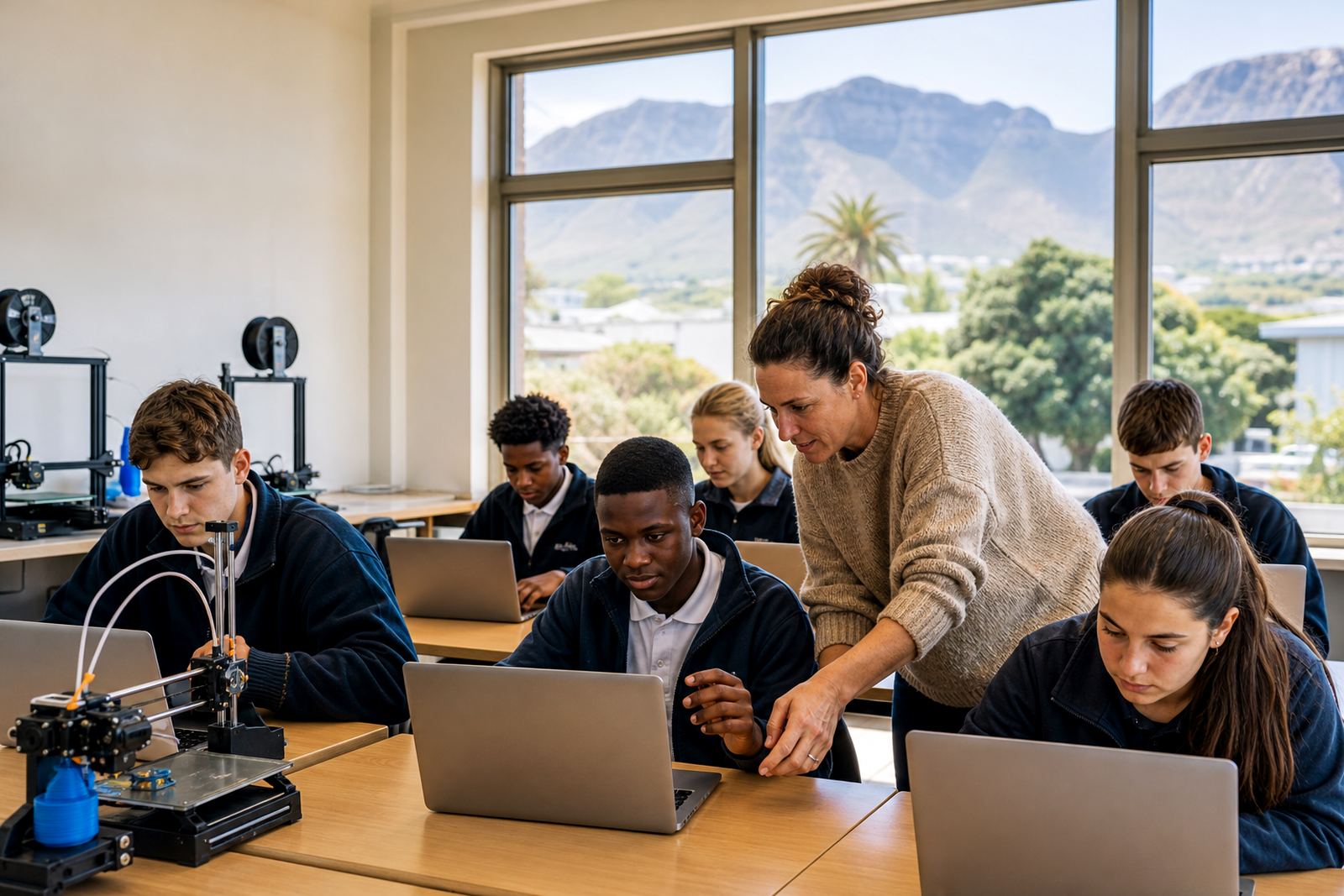
A school lab works best when teachers know the basic workflow and the rules for safe use. That means clear responsibilities for file handling, printer checks, bed cleaning and post-print handling. It also means keeping sharp tools, heated parts and filament stored properly, especially where younger learners are involved.
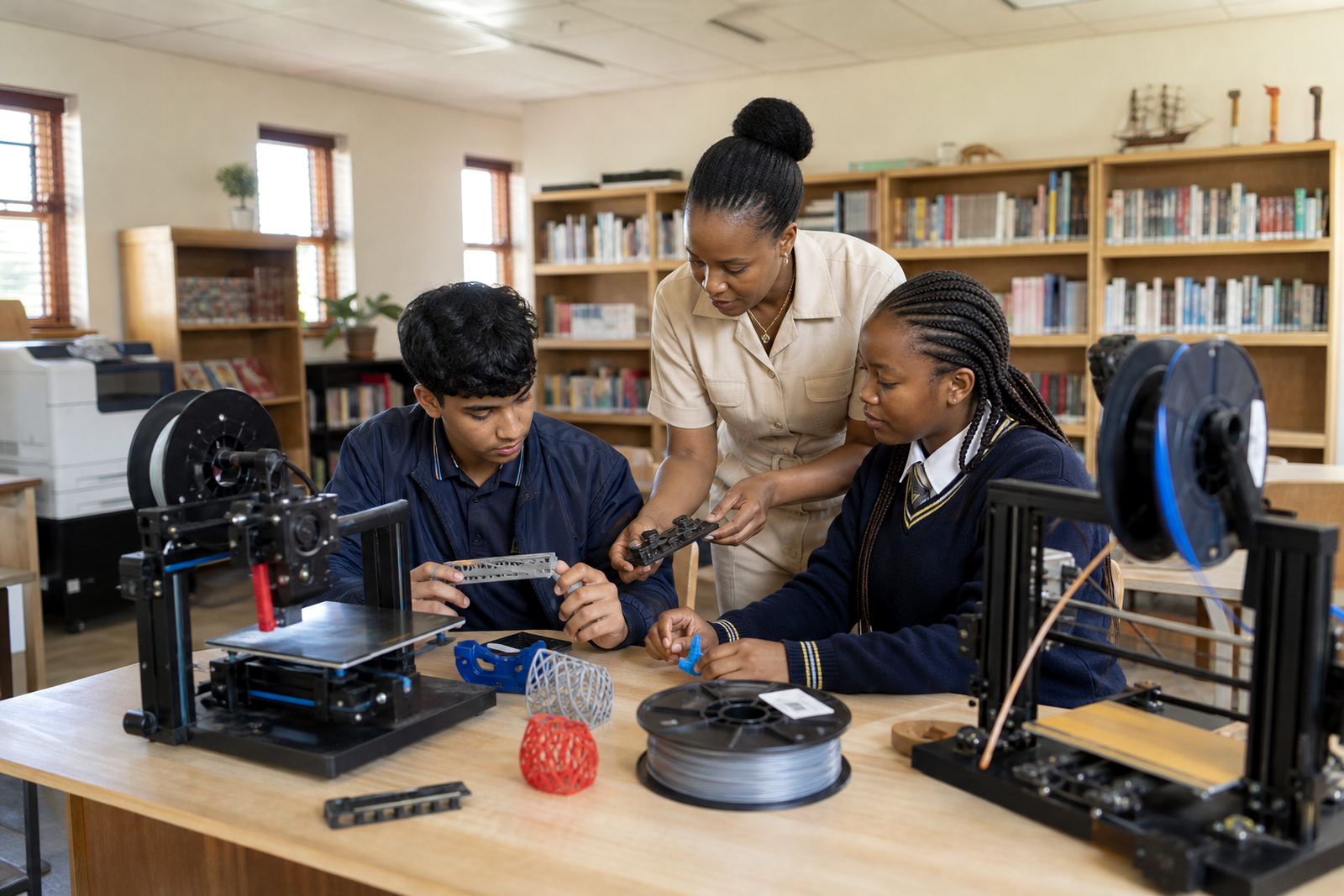
Teacher support can also include lesson planning, print troubleshooting and simple maintenance routines. When staff understand the limits of the equipment, they can avoid wasted material and reduce downtime. In schools with shared spaces, it helps to have a short routine for setup and pack-away so the equipment is ready for the next class.
- Teacher introduction sessions for first-time use
- Intermediate support for planning and classroom flow
- Printer operations guidance for everyday use
- Maintenance basics to keep machines running consistently
What to Expect from a School Lab Kit
A school lab kit should give the school a practical starting point, not a pile of parts that no one can manage. The right kit normally includes printers, basic tools, filament, safety items and the support needed to get the lab organised. Some schools need a small setup for a single classroom, while others want a more complete lab for several groups.
In Stellenbosch and surrounding towns like Paarl and Somerset West, schools often ask for a setup that fits a normal teaching room and can be supervised without adding extra pressure on staff. Good planning also helps with municipal and building rules, cable management and safe ventilation. A clean layout makes it easier to keep the room working during power cuts and to protect the equipment from dust and moisture.
- Clear storage for filament and printed parts
- Basic tools for removing and finishing prints
- Simple safety guidance for supervised classroom use
- Layout planning that suits the space available
Holiday Programmes, Clubs and Cross-Subject Activities
3D printing does not need to stay inside one subject. Holiday programmes, maker clubs and special workshops can give learners more time to experiment and improve. These formats work well for schools that want to introduce the technology without adding pressure to the normal timetable.
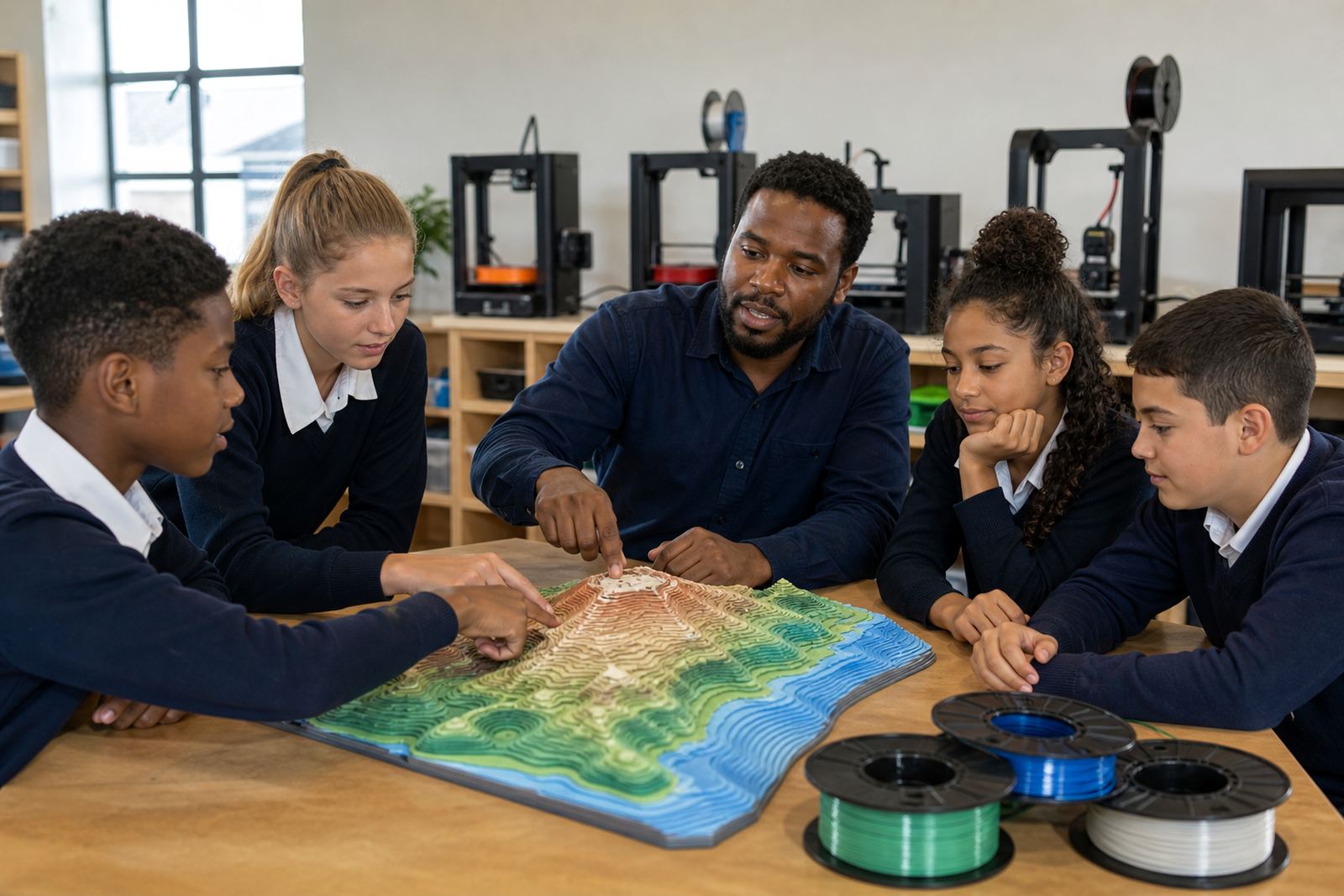
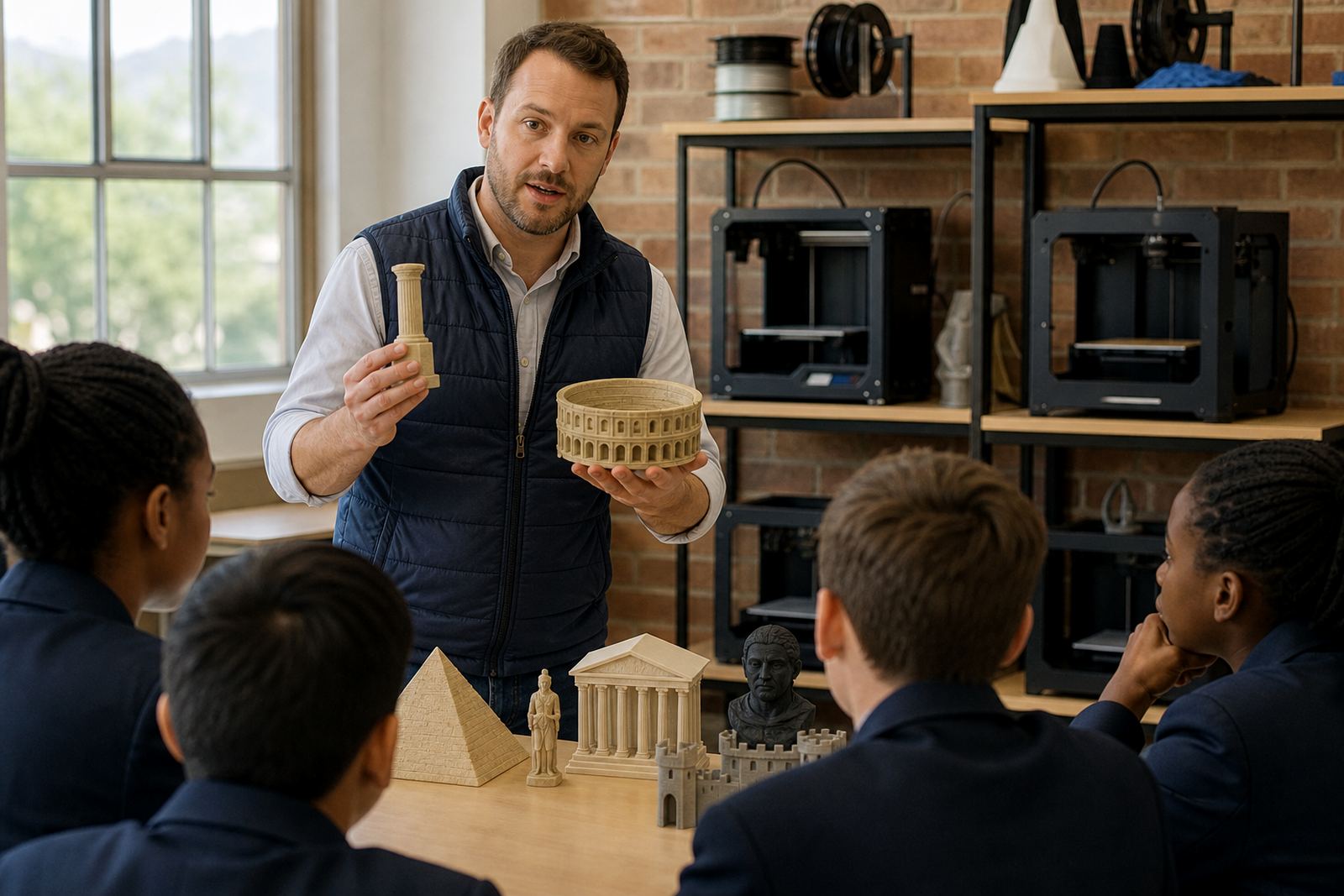
Cross-subject activities can also bring more learners into the lab. A printed model can support a history lesson, a geography project, a life sciences activity or a creative design challenge. For older learners, the value often lies in the process: planning, trying, correcting and presenting the final result. That process builds confidence and practical thinking.
Whether the aim is a single classroom activity or a full lab programme, the key is to match the use to the level of the learners and the time available. Small, steady projects usually work better than overcomplicated ones, especially when schools are balancing large classes and limited lab time.