What the Classroom Safety Pack includes
The Classroom Safety Pack is a practical accessory set for schools running 3D-printing lessons, maker clubs and supervised lab sessions. It is not a replacement for proper supervision or training, but it does help teachers set clear rules around heat, moving parts, filament handling and tidy work areas. The pack is suited to primary and high school settings where learners need visible prompts and basic protective items close at hand.
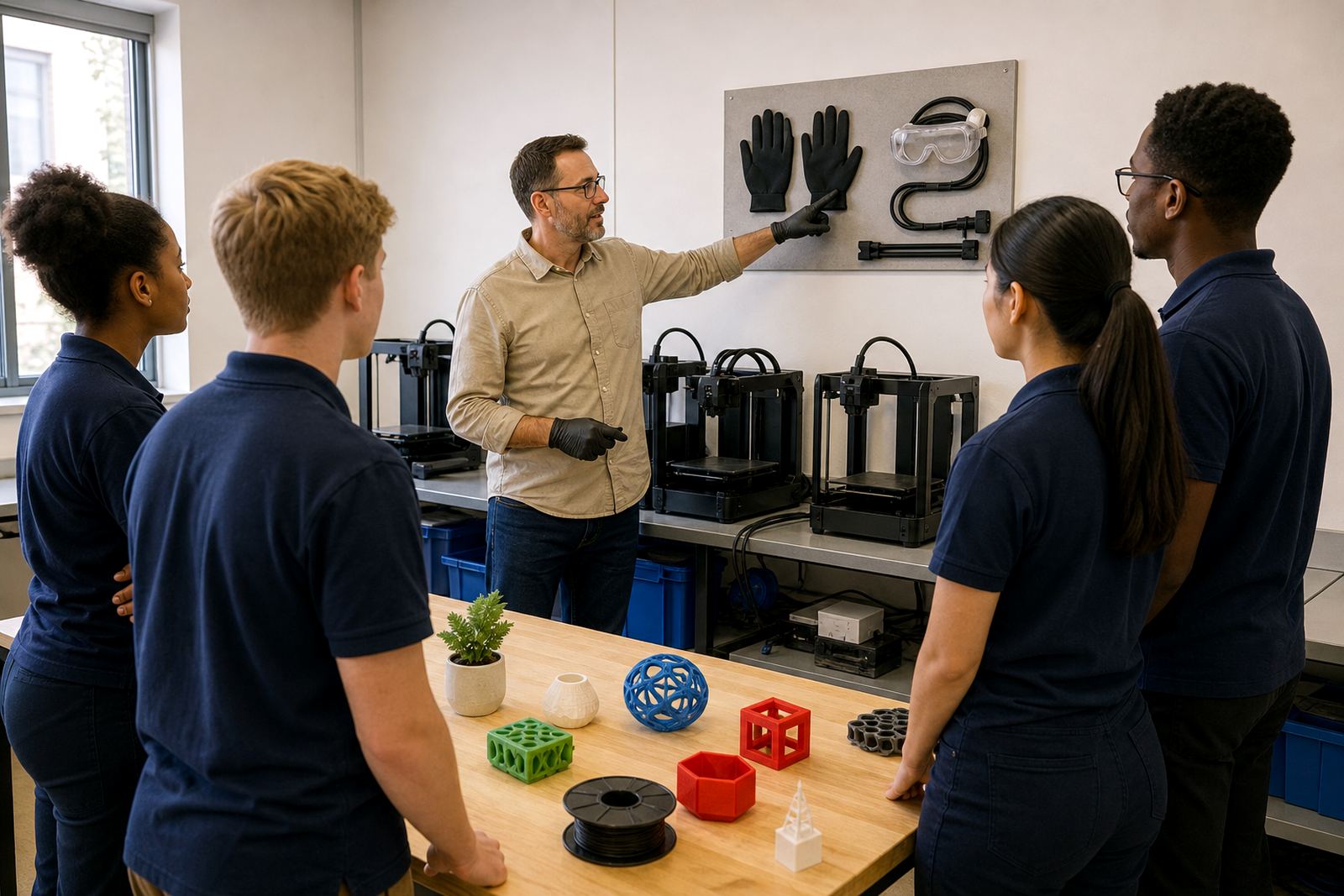
Depending on the option chosen, the pack can include safety goggles, heat-resistant gloves, a printed safety poster set, filament handling reminders, a simple first-aid notice sheet, and storage labels for tools and consumables. Some schools prefer a compact set for one classroom while others order a fuller set for a shared lab or multi-room setup, especially where classes rotate through during the week.
- Basic protective items for supervised use
- Visual reminders for printers, tools and work surfaces
- Suitable for classroom, lab and club environments
- Can be paired with teacher training or lab setup support
Sizes and options for different school spaces
Schools can choose from a few practical pack sizes. A starter pack is ideal for one classroom or a small club group. A standard pack suits a dedicated lab with several printers and a regular learner schedule. A larger school option works well where more than one teacher uses the room, or where the kit needs to cover multiple work areas. We also supply custom mixes for schools that already have some items and only need the missing pieces.
When selecting an option, it helps to count the number of printers, the class size and how often the room is used. A single compact setup may be enough for a small rural school, while an urban school with longer contact periods may need extra protective items and more than one reminder sheet. If the room is shared with robotics or CAD classes, the layout can be adjusted so the safety pack is visible from the main workbench and the printer area.
- Starter pack for a single classroom or club
- Standard pack for a dedicated school lab
- Expanded pack for shared or higher-traffic spaces
- Custom mix for schools with existing safety items
Where it suits best in schools and learning spaces
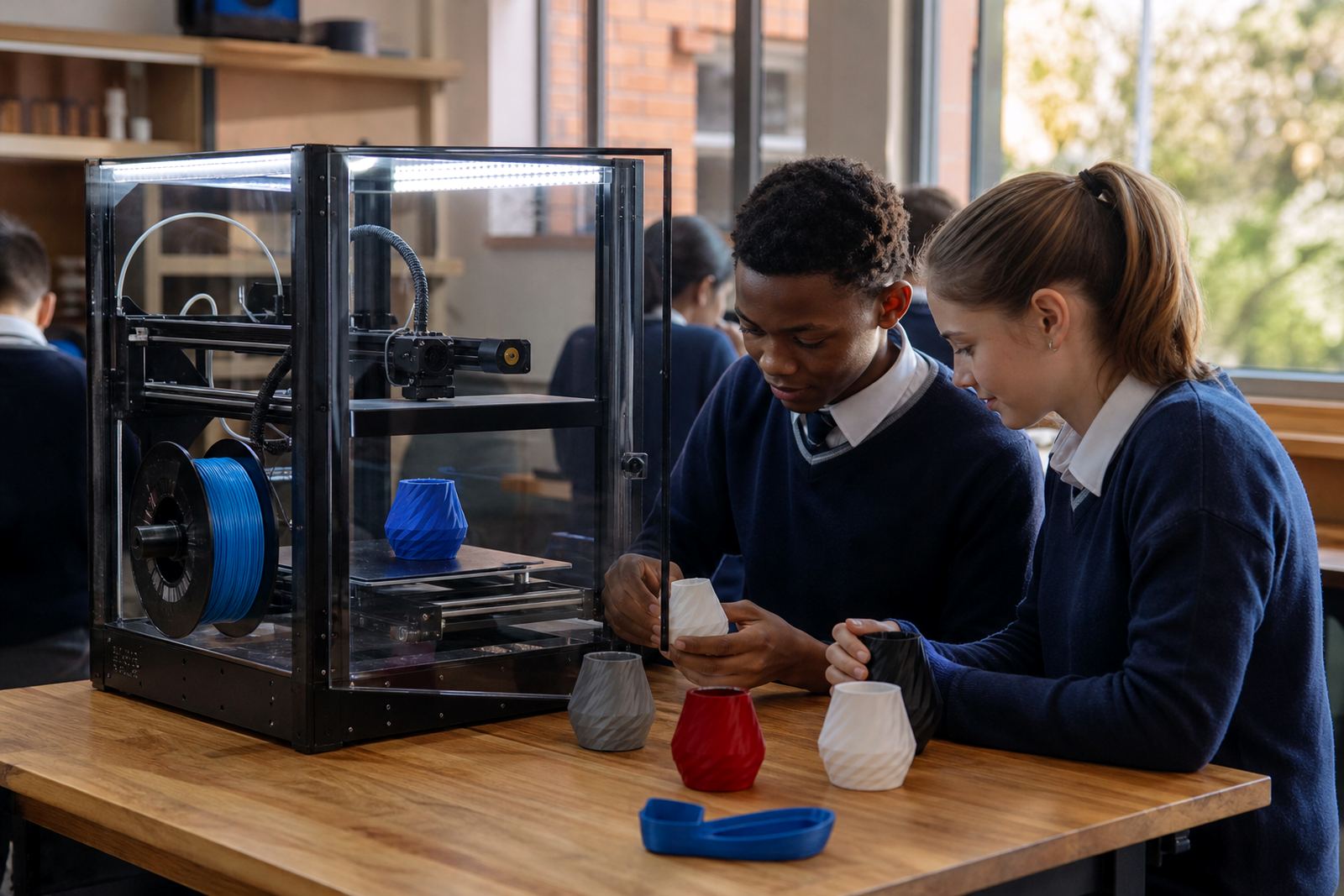
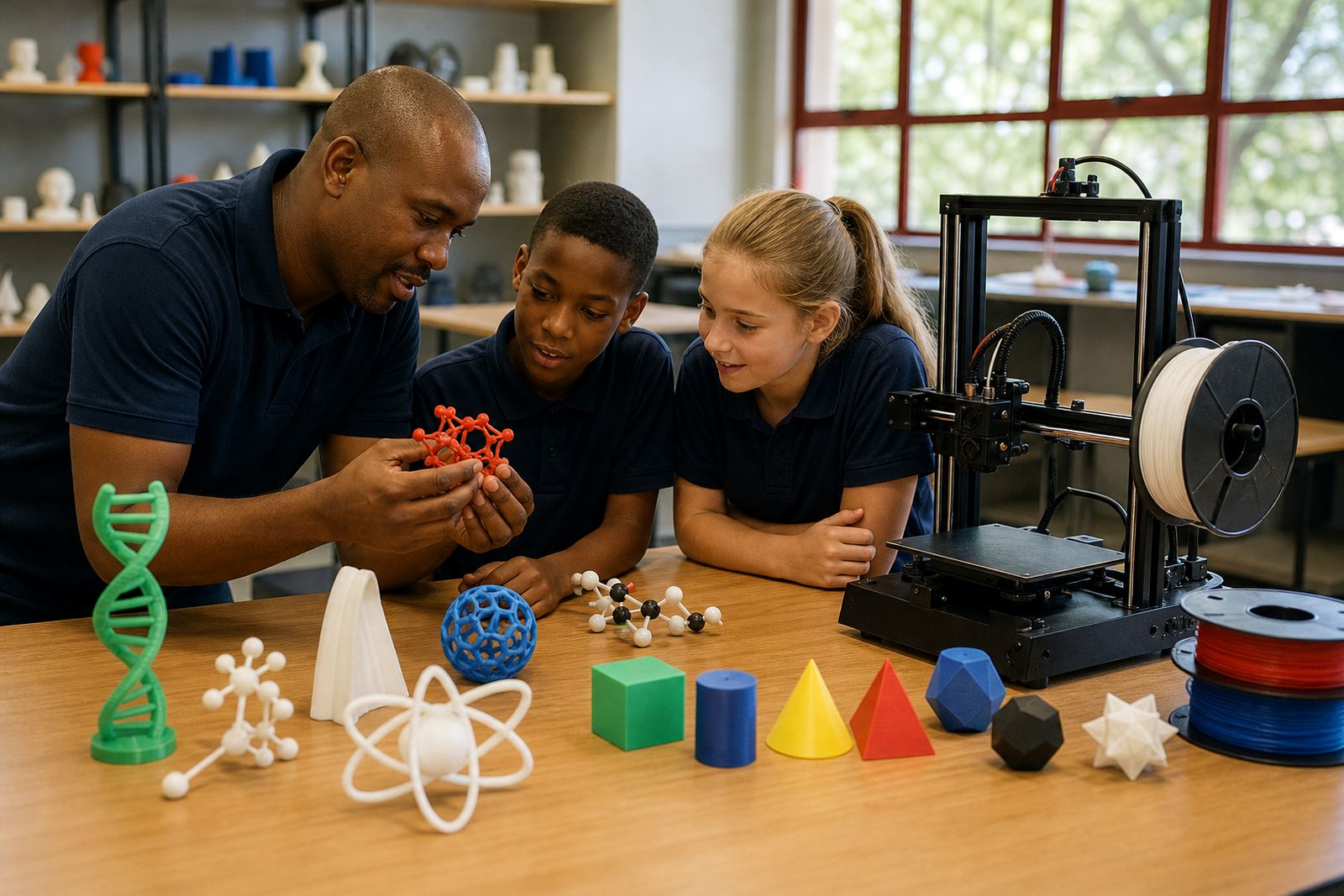
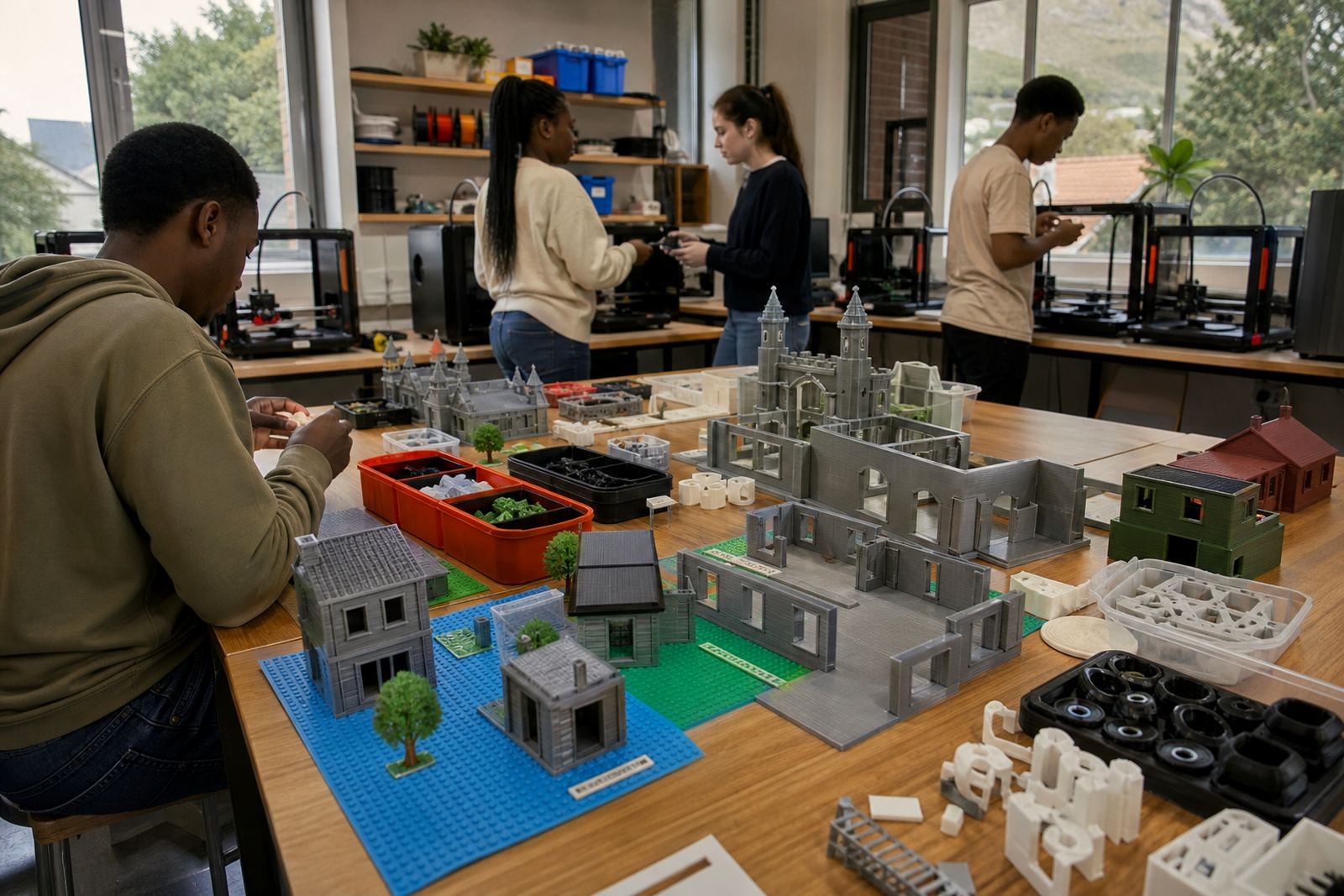
This product suits supervised school environments where learners are introduced to 3D printing, CAD basics and simple maker skills. It is a good fit for STEM rooms, technology classrooms, library maker corners, holiday programmes and after-school clubs. In Stellenbosch, Cape Town, Paarl and Somerset West, schools often use the pack in rooms where the printer is not run all day but is used in scheduled sessions. In Johannesburg, Pretoria, Durban and Gqeberha, it also suits schools that need a clear safety setup for shared spaces and rotating groups.
The pack is especially useful where younger learners or first-time users are involved. It helps teachers reinforce the basics: keep hands clear of hot areas, tie back loose clothing, wait for moving parts to stop and ask before touching a print bed or tool. For coastal schools, it can also support neat storage of protective items in humid conditions where equipment can pick up moisture if left out. A tidy room is easier to manage, and less likely to go sideways during a lesson.
- Technology classrooms and STEM labs
- Library maker spaces and club rooms
- Holiday programmes and project weeks
- Schools with shared 3D-printing equipment
Installation, power and room setup notes
The Classroom Safety Pack itself does not need special installation, power or gas. It is a manual school accessory set, so the only requirement is a sensible place to store and display it. Posters, reminder sheets and labels can be mounted on a wall, cupboard door or notice board close to the printer area. Protective items should be kept in a dry, easy-to-reach spot where the teacher can hand them out before each session.
If the pack is used alongside printers and other lab equipment, the room should have a stable table, enough light and clear access to plugs and walkways. Schools should keep cords managed properly, especially where load-shedding backup systems are used, so learners do not trip or pull equipment off the table. No gas supply is needed. For rooms with multiple printers, it helps to place the safety notices where everyone can see them from the entrance and the operator station.
- No power or gas required for the pack itself
- Best kept near the printer station or main entrance
- Wall mounting or cupboard placement both work well
- Keep clear walkways and manage cables carefully
Care, cleaning and reordering practical items
The contents of the pack are easy to maintain with normal classroom care. Goggles should be checked for scratches or cracked lenses and wiped with a soft cloth after use. Gloves should be stored clean and dry, away from direct heat. Posters and labels can be replaced if they fade, tear or get covered in adhesive residue. In humid coastal areas, sealed storage is helpful so paper items stay flat and legible.
Schools should also keep an eye on general wear from daily use. If a group uses the lab often, some items will need replacement sooner than others. It is worth checking the pack term by term, along with the rest of the lab. If the room is used for holiday programmes or extra lessons, ask for spare items before they run short. One missing pair of goggles may seem small, but it can interrupt a full session when more learners arrive than expected.
- Wipe protective items after use
- Store dry and out of direct sunlight
- Replace worn notices and damaged gear
- Check the pack before each new term
What to check before ordering for your school
Before ordering, count the number of learners who will use the room at one time and note whether the pack is for one teacher or several staff members. Check whether you need only the basic protective items or whether you also want labels and reminder posters for the whole room. It also helps to note the size of the teaching space, the number of printers and whether the lab is used in one block or across different periods.
If your school already has some safety gear, tell us what is in place so the pack can be matched properly. A school in Stellenbosch may need a different mix from a larger campus in Johannesburg or a shared district lab in Gqeberha. We can help you choose a sensible set for your room, not too much and not too little. For schools running teacher introductions or lab setup support, this pack often fits neatly into the same plan.
- Number of learners per class
- How many printers are in the room
- Whether posters and labels are needed
- Existing safety gear already on site
Key facts
| Product type | Classroom safety accessory pack for supervised 3D-printing use |
|---|---|
| Use case | Schools, maker clubs, holiday programmes and technology classrooms |
| Typical contents | Protective items, safety reminders, labels and room notices |
| Pack options | Starter, standard, expanded and custom mixes |
| Power or gas | Not required |
| Care | Dry storage, simple cleaning and term-by-term checks |