A practical pack for science teaching aids and learner models
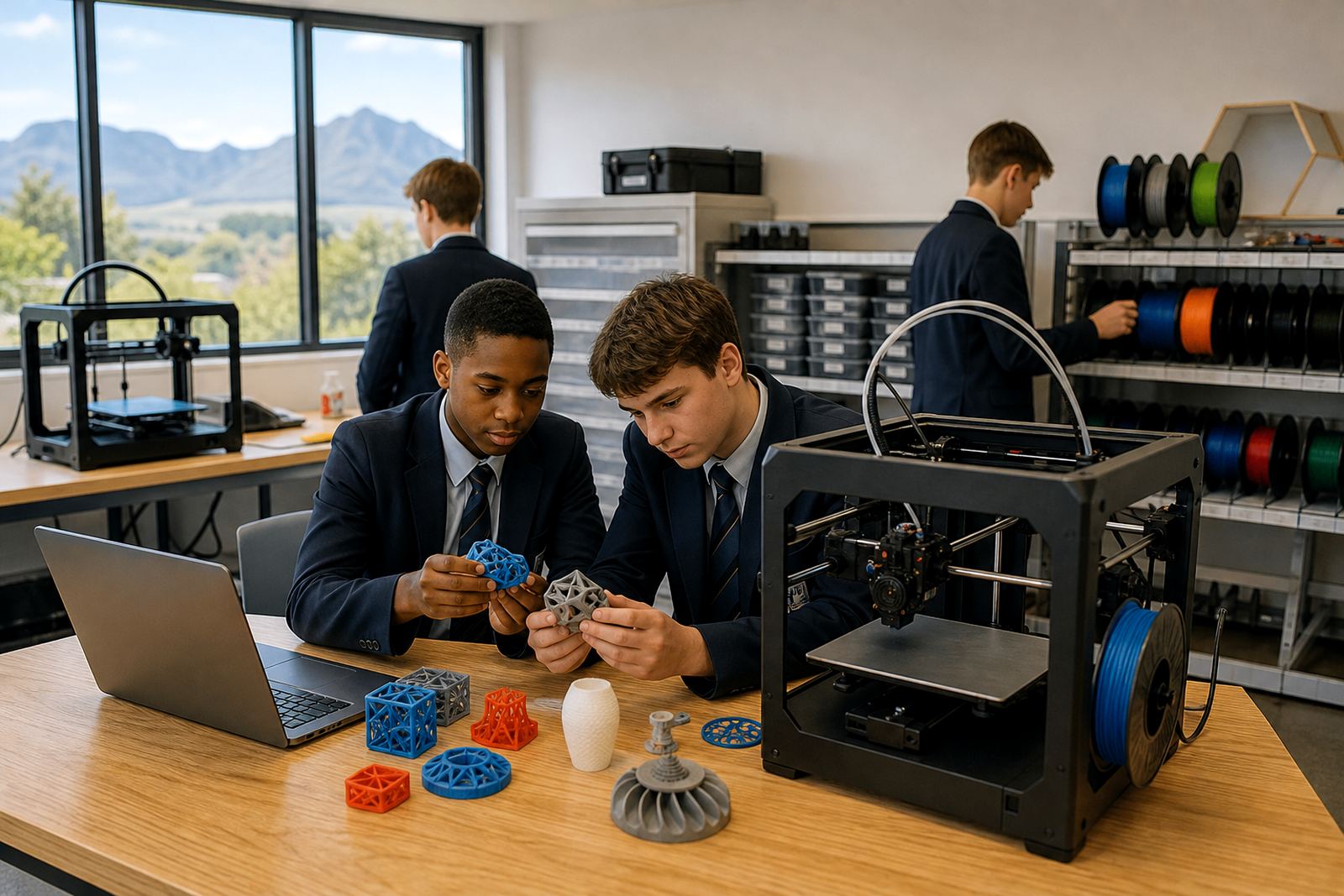
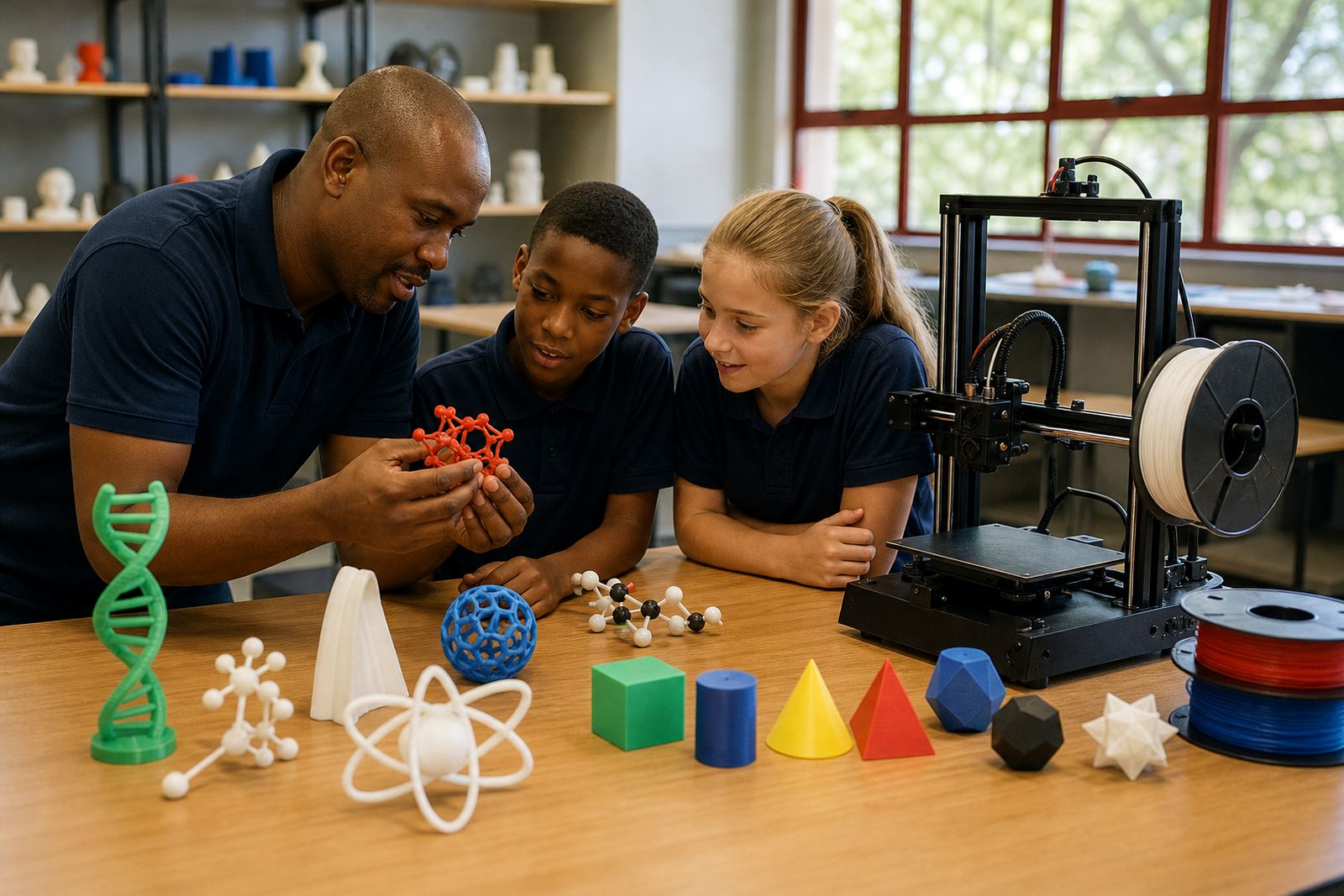
The Science Model Pack is a classroom-focused resource pack for producing 3D printed science aids that help learners see shapes, systems and structures in a more direct way. It is aimed at teachers who need ready-to-use models for classroom demonstrations, revision sessions and group activities, without having to source each item separately. In practice, the pack supports lessons where a learner can hold, inspect and compare an object instead of only seeing it on a board or screen.
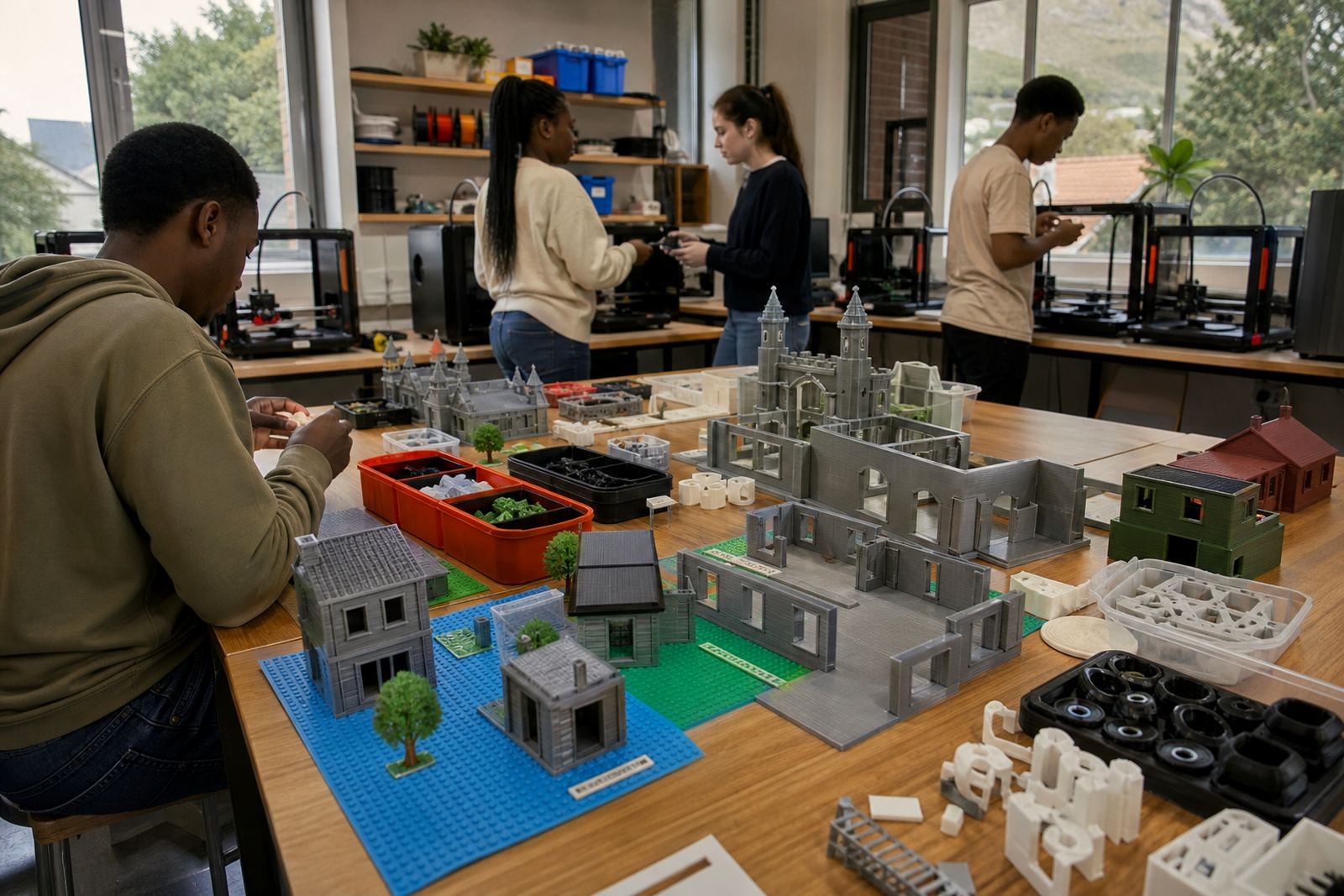
It is commonly used in schools where science rooms need durable visual aids for topics such as the human body, cell structure, plant parts, anatomy basics, forces, simple machines and earth science. The pack can be used for teacher demonstrations, learner projects, holiday programmes and small-group practical work. It also suits educators who want a steady, repeatable way to prepare models for multiple classes each term.
- Supports classroom demonstrations and learner exploration
- Useful for biology, physical science and natural sciences
- Helps teachers prepare reusable teaching aids
- Can be paired with CAD basics and printer operations training
What the pack includes and size options
The pack is supplied as a structured starter set rather than a single loose item, so schools can plan what will be printed and how it will be used. It is normally selected according to class size, the topics being covered, and whether the school wants a small teaching set or a fuller lab bundle for multiple grades. Some schools choose a compact pack for one science room, while others order a larger set for shared use across several classes.
Typical contents can include model files for science aids, classroom print guides, basic slicing setup notes, suggested material choices and a simple maintenance checklist. Optional add-ons may include extra classroom models, storage tubs, filament stock planning and lab setup guidance. Where a school already has printers, the pack can be matched to that equipment. Where printers still need to be selected, the pack can be aligned with the available room size, power supply and teacher support level.
- Compact classroom set for one science room
- Expanded school set for several grades or subject staff
- Optional add-ons for storage, materials and setup support
- Suitable for schools with one printer or a small lab group
Because every school timetables practical work differently, it is worth checking the number of learners per class and how often the models will be printed. A school that runs repeated lessons across the term may need more material stock than a school using the pack for occasional demonstrations only. A small typo in planning often costs more later, so it helps to confirm the full use case early.
Where the Science Model Pack fits best
This pack suits public and private schools, after-school science clubs, technical centres and educator training rooms. It is especially useful where teachers want learners to move from theory to application, and where visual models can support mixed ability classes. The pack also works well in schools that run project-based learning, because it allows learners to test ideas, label parts and explain function using a physical object.
In the Western Cape, Gauteng and KwaZulu-Natal, many schools use printed teaching aids in classrooms that need materials to last through regular handling. In coastal towns such as Cape Town, Durban and Gqeberha, storage and material care matter because humidity can affect keeping conditions. In inland schools such as Stellenbosch, Paarl, Johannesburg and Pretoria, dust control and safe storage are often the bigger concern. The pack is designed for those everyday realities, not just for a neat sample on a shelf.
- Science classrooms and practical labs
- Maker clubs and holiday programmes
- Teacher training sessions and subject support rooms
- Schools needing reusable aids for repeated lessons
Setup, power and room requirements
The Science Model Pack is best used in a room with a stable table, a nearby plug point and enough space for safe handling of print equipment if a printer is being used on site. A normal 230V mains supply is suitable for the equipment typically used with school 3D printing. If the school already has a lab bench, a lockable cupboard and a clear walk way, that usually covers most of the practical setup needs.
No gas supply is needed. For any room with active printing, teachers should keep the area well ventilated, away from direct sunlight and away from wet sinks or spray bottles. Load shedding planning is important in South Africa, so schools should consider backup power for printers, a safe shutdown process and a print schedule that avoids surprise interruptions. If the power cuts mid print, the school may need to restart the job, so print timing matters.
Basic classroom safety applies at all times: learners should not touch hot nozzles, moving belts or electrical parts, and younger learners should only handle printed items once they have cooled. Any loose cables should be kept tidy, and equipment should not be left near the edge of a table. For schools in municipal areas with strict room-use rules, it is wise to confirm where equipment may be stored after hours.
Care, cleaning and servicing over the school term
The printed models and the pack materials are simple to look after if they are stored properly. Keep finished models in a dry box or cupboard, and avoid stacking heavy books on top of them. If the school is close to the coast, this helps reduce warping and surface wear over time. For models used by many learners, a label system makes it easier to track what belongs to each topic and grade.
Printer care is just as important. A school should keep the build plate clean, check filament storage and clear dust from the room on a regular basis. If a printer starts showing under-extrusion, layer shifting or poor adhesion, it is usually better to service it early rather than wait for a full stoppage. This saves lesson time and avoids rushed reprints before a class.
- Store models in a dry, labelled container
- Wipe dust from the printer and work area regularly
- Keep filament sealed when not in use
- Check nozzles, belts and build surfaces before busy terms
What to check before ordering
Before ordering the Science Model Pack, it helps to confirm which subjects it must support, how many learners will use it and whether the school already has compatible equipment. If the pack will be used by several teachers, ask what topics each teacher needs so the content does not overlap too heavily. Schools should also check whether they need learner-level models, larger demonstration pieces or both.
It is worth confirming these details first:
- Grade range and science topics to be covered
- Whether the school needs a compact set or a larger lab pack
- Available printer space, plug points and storage area
- Who will handle printing, cleaning and basic maintenance
- Whether training is needed for teachers or support staff
If you are ordering for multiple sites, such as Cape Town, Johannesburg, Pretoria, Durban or Gqeberha, it also helps to note where the pack will be stored and who will manage it on each site. That makes delivery planning and handover much simpler, especially when a school has more than one science room.
Good fit for teacher support and learner projects
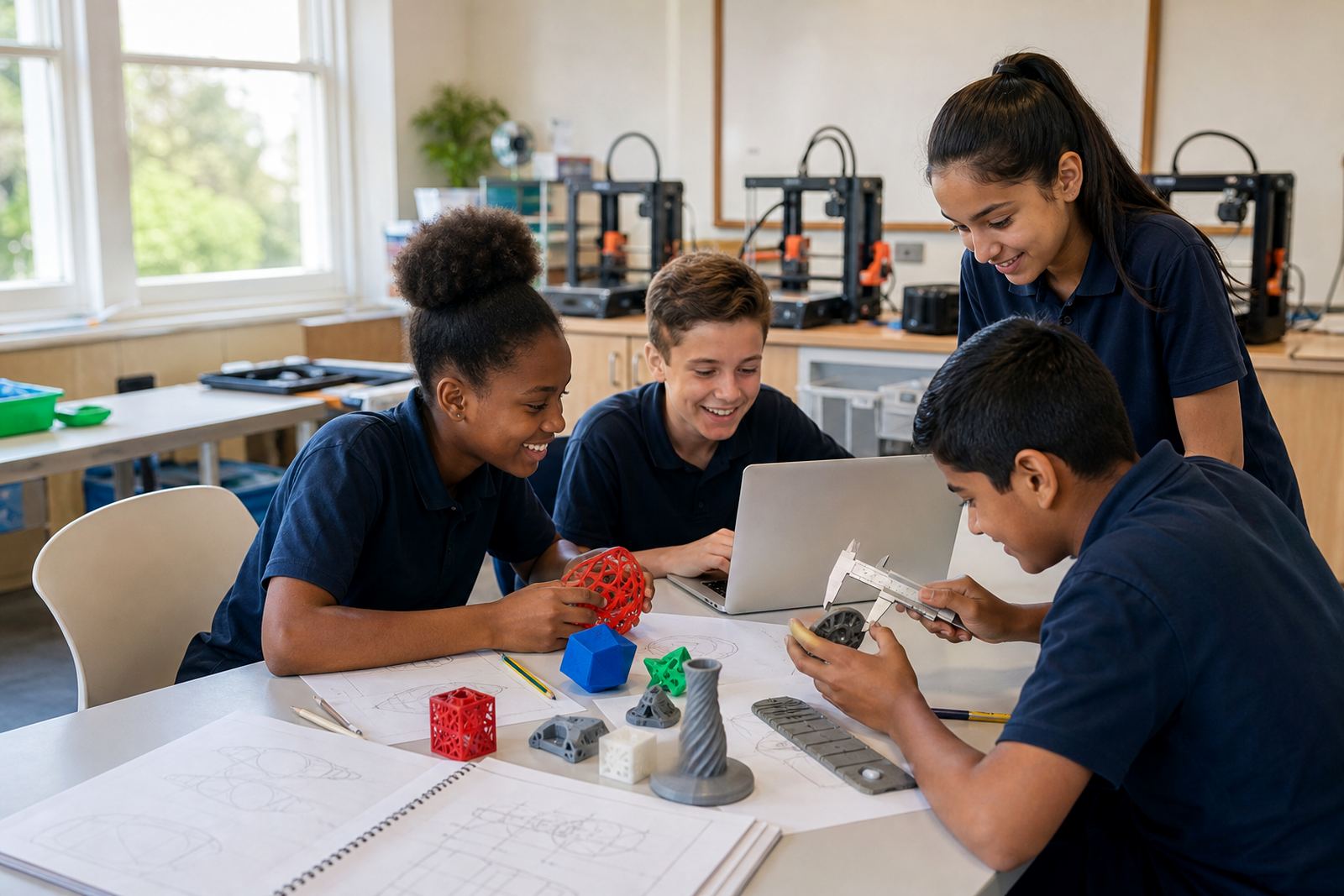
The Science Model Pack is not only for finished teaching aids, it also supports learner involvement where students can observe how models are made and discuss why each shape or part matters. Used well, it gives teachers a practical way to connect science content with making, measuring and explaining. That is often the point where a class starts asking better questions.
Schools that want a stronger rollout can pair the pack with teacher introduction, CAD basics, printer operations or project planning support. For schools that need help getting started, a short management briefing can also be useful so the buying, storage and classroom use plan are clear from the beginning. The result is a setup that fits normal school life, not a one-off display piece that sits untouched.
Key facts
| Product type | School science resource pack for visual teaching aids and learner models |
|---|---|
| Use case | Classroom demonstrations, practical lessons, revision work and project-based learning |
| Suitable rooms | Science labs, maker spaces, subject prep rooms and teacher training rooms |
| Power requirement | 230V mains supply for compatible printer setup, if printer use is on site |
| Gas requirement | No gas required |
| Typical contents | Model files, print guides, setup notes, material guidance and care checklist |