
Built for regular school printing, not one-off projects
The Filament Supply Pack is put together for schools that need a steady supply of material for everyday printing. It suits classrooms where learners print simple models, design prototypes and test parts during lessons, workshops and after-school maker club sessions. The pack is intended to reduce stop-start printing caused by running out of material in the middle of a lesson.
It is a general-use pack rather than a specialist material bundle, so it works best for standard classroom projects, instructional models and repeat prints where consistency matters more than advanced performance. In schools with shared printers, this helps teachers plan lessons around available stock and keep the machines in use during the term.
For schools in Stellenbosch, Cape Town, Johannesburg, Pretoria, Durban and Gqeberha, this kind of supply planning is useful when delivery lead times, storage space and printer demand all need to be balanced. It also helps where class sizes change or where learners are printing in batches, because the pack gives the lab a simple way to track what is on hand.
Pack sizes and material options for different lab needs
The Filament Supply Pack can be specified in practical quantities to suit the size of the school lab. Smaller packs work for pilot classrooms, while larger packs suit active labs with several printers or regular learner access. Schools often choose by term use, not just by printer count, because some classes print far more than others.
Material choices are typically based on common classroom printing needs. Standard school packs are usually supplied in widely used filaments that are easy to load and suitable for introductory work. The exact blend or colour mix can be matched to the kind of project being taught, whether that is simple geometry, design tasks, engineering ideas or creative making.
Where schools want to manage stock carefully, it helps to separate general class material from project-specific rolls. That way the lab can keep a base supply for day-to-day lessons and use the rest for special activities, holiday programmes or teacher demonstrations.
- Pack sizes can be matched to small, medium or active school labs
- Colour mixes can be set for general classroom use or specific projects
- Standard materials are easier for learners and teachers to handle
- Bulk ordering can help schools plan for a term or programme cycle
Where the pack works best in a school environment
This product suits classrooms where printing is part of the teaching routine and not only a special event. It is a good fit for Design and Technology rooms, coding clubs, robotics spaces, innovation hubs and teacher training environments where learners need dependable material for practice and production.
The pack also suits schools that run several user groups through the same room. For example, a teacher may use it for learner foundations, then keep some stock aside for maker club training or a holiday programme. That makes the lab easier to manage, especially where printer time is shared and there is pressure to keep lessons moving.
Schools in coastal areas, especially around Durban and Gqeberha, should store filament in a dry cupboard or sealed container because humidity can affect print quality. In hotter inland areas, a cool shaded store room is better than keeping material near windows or in direct sun. Load-shedding planning also matters, so some schools prefer to keep a small buffer stock for sessions that need to restart after power returns.
Practical setup, power needs and room conditions
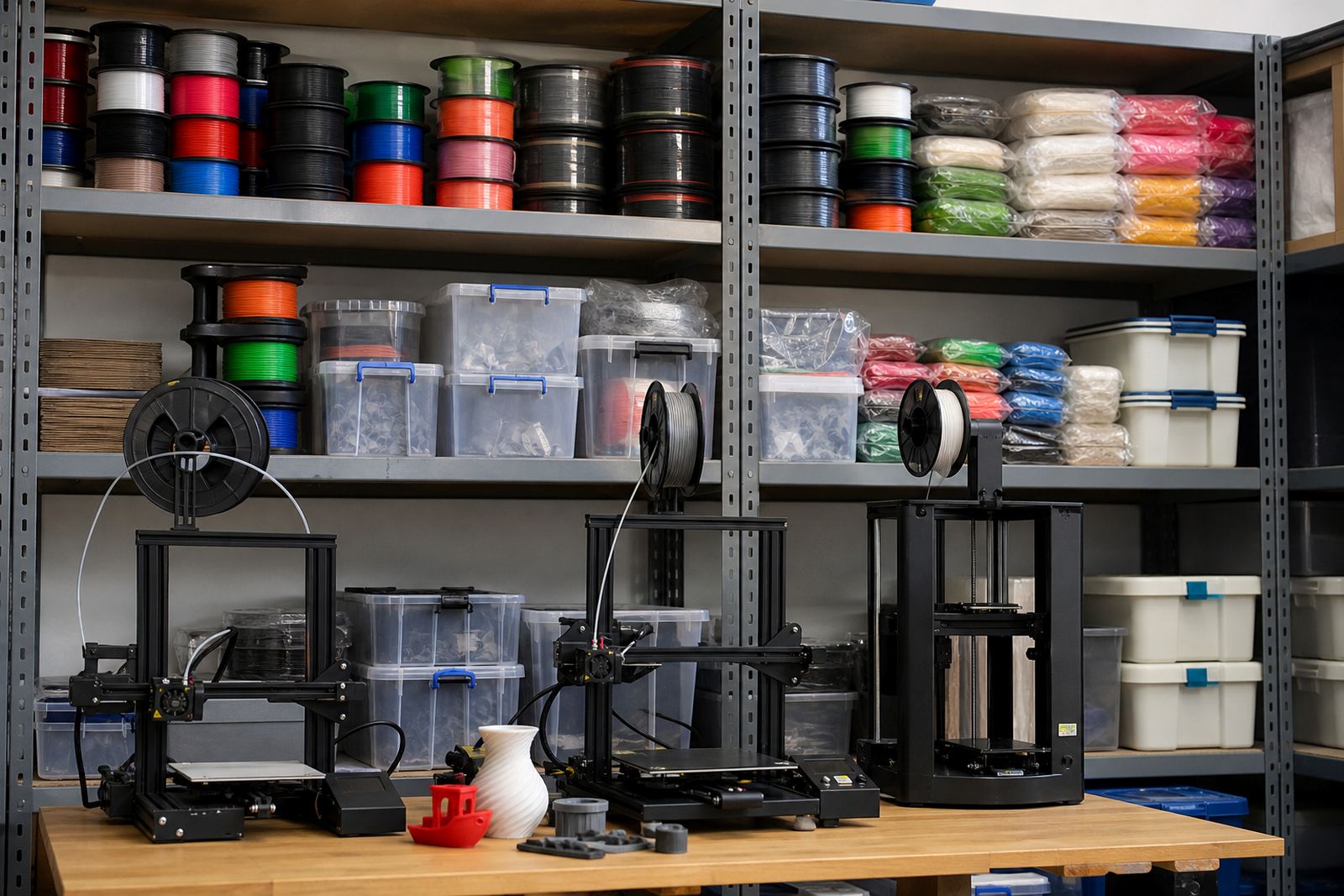
The filament itself does not need special power or gas, but the printing environment around it does. Schools should make sure the printer area has reliable mains power, safe plug points and enough space for loading, unloading and storing material. If the lab uses multiple printers, a dedicated shelf or cabinet for filament keeps rolls clean and easy to count.
For installation, there is no gas requirement. The main setup points are storage, airflow and supervision. Teachers should keep the material away from heat sources, wet floors and dusty corners. A tidy lab also makes it easier for learners to see what colour or material is available before a print begins. If a school uses backup power during outages, the printer and any drying or storage equipment should be checked against the backup capacity before the term starts.
- Needs normal electrical supply for the printers, not gas
- Best kept in a dry, cool store area
- Should be handled in a supervised classroom or lab
- Allow space for loading, labelling and stock counts
Care, storage and basic servicing between classes
Good storage makes a noticeable difference in classroom printing. Keep rolls sealed when they are not in use, and label opened packs by material type and date opened if the school is managing more than one printer. This is especially helpful in busy labs where several teachers or classes use the same stock. A simple stock sheet can prevent confusion and missed prints.
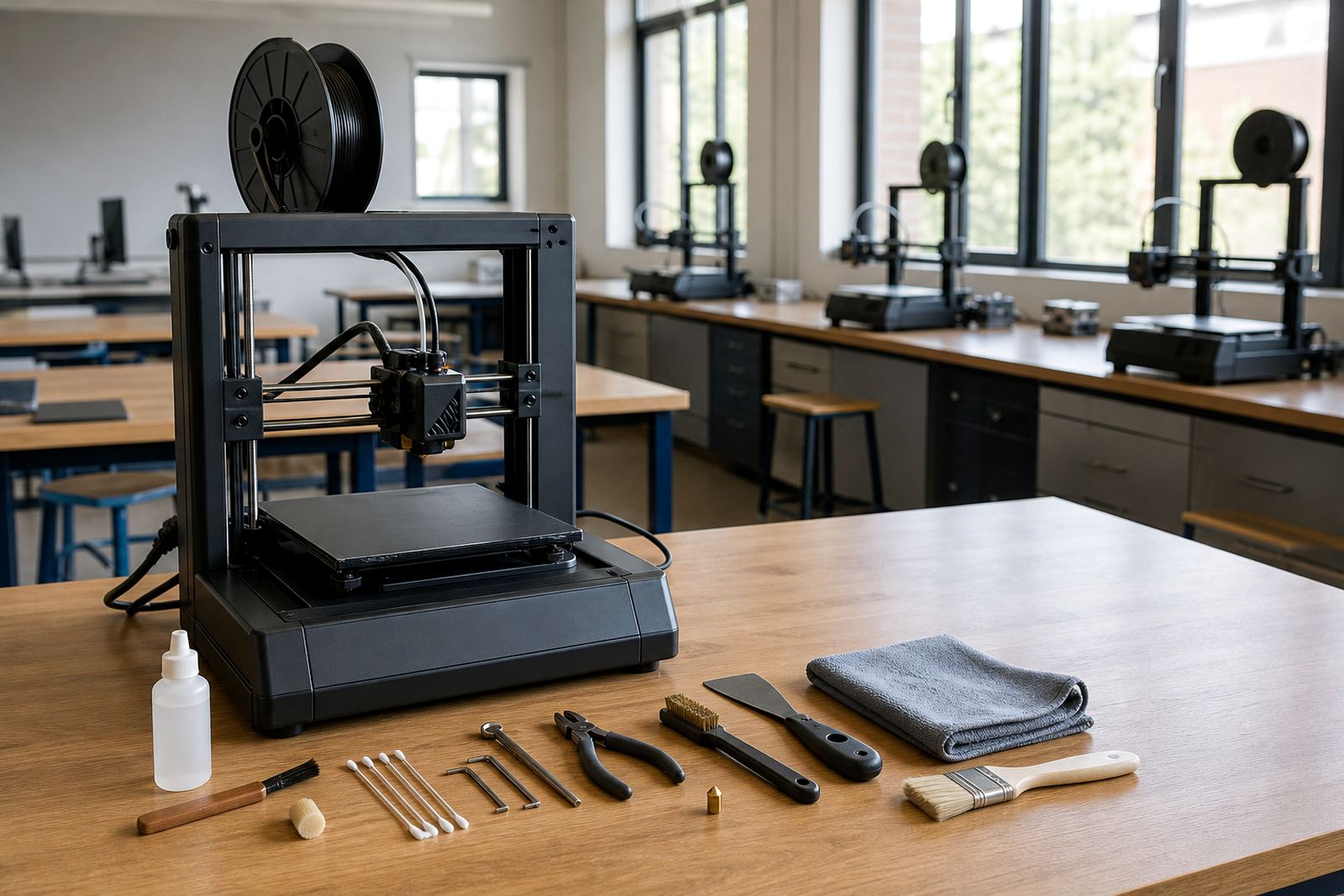
Routine care is straightforward. Check that the filament feeds cleanly from the spool, watch for tangles and make sure the print path is free of dust. If a roll has been left open in a humid area, test it on a small print before using it for a class project. Schools that print often should include material checks as part of normal maintenance, along with nozzle cleaning, bed levelling and general printer inspection.
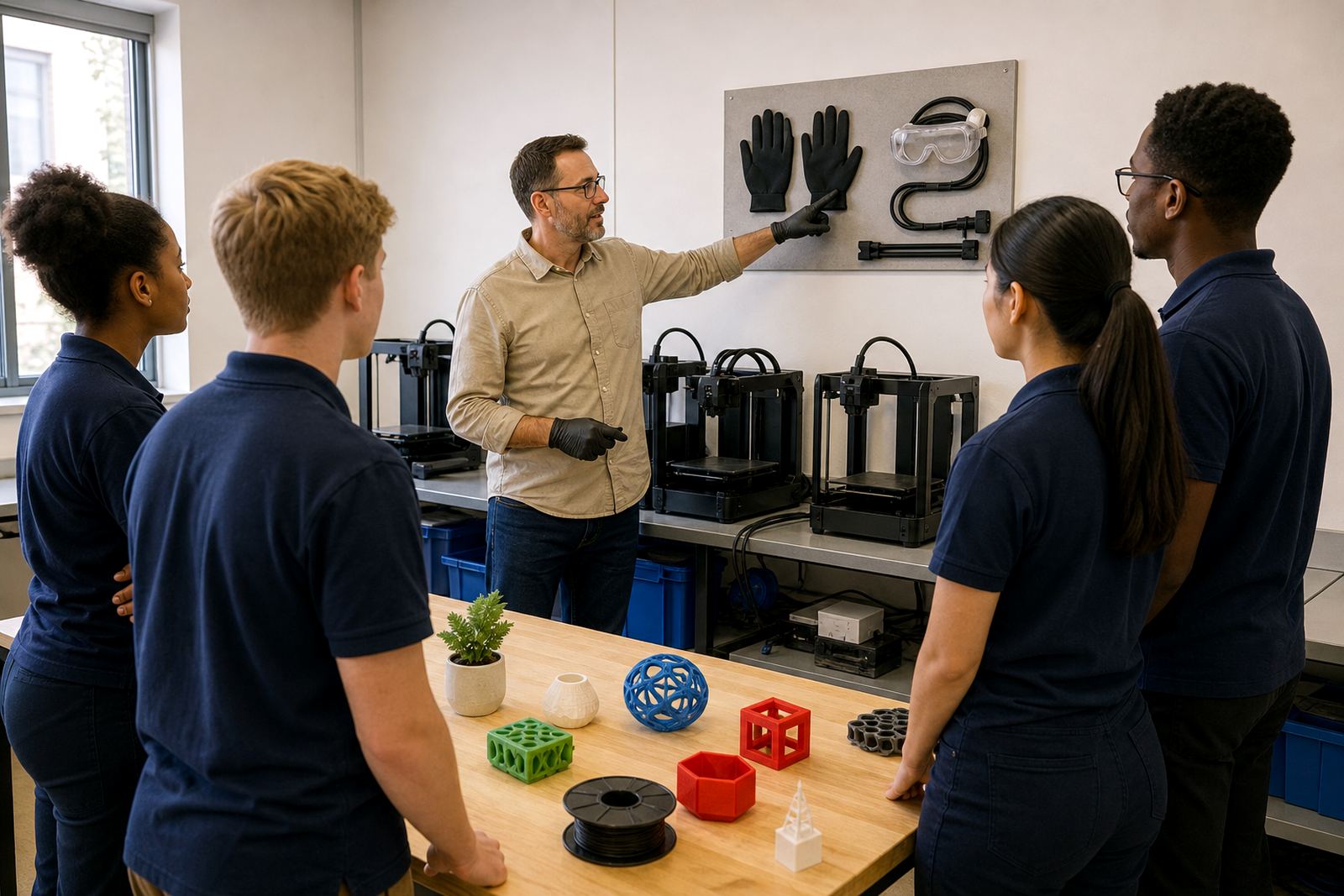
For safety, keep learners away from moving parts and hot components. A teacher or trained facilitator should supervise loading and unloading, and any offcuts should be cleared from the bench at the end of the session. Those small habits keep the lab orderly and help the material last longer.
What to confirm before ordering this club kit
Before ordering, it helps to confirm the printer type in the school, the material your lab already uses and the colours that are most practical for class work. Schools should also check whether they need a small trial pack or a larger replenishment order for the term. If different teachers use the same printers, agree on a standard material list so the lab is easier to manage.
It is also worth checking the storage space available, especially if the school has limited cupboard room or shares printers between rooms. If the lab sits near the coast, ask for storage advice that suits humid conditions. If the school depends on scheduled printing during load-shedding, make sure the stock plan allows for delayed sessions and rescheduled lessons. A bit of planning up front can save a lot of disruption later.
- Confirm the printer model and compatible material type
- Check preferred colours and how many rolls are needed
- Make sure the lab has dry storage space
- Plan for term use, not only one lesson or event
Key facts
| Product type | General-use filament supply pack for school 3D printing |
|---|---|
| Use case | Routine classroom printing, learner projects and maker space work |
| Material format | Supplied as filament rolls in standard classroom-ready options |
| Size options | Small, medium and larger supply pack configurations |
| Storage needs | Cool, dry storage away from direct sunlight and humidity |
| Power or gas needs | No gas required; standard printer electrical supply only |