

What the STEAM Project Pack includes
The STEAM Project Pack is a themed classroom resource pack built for hands-on learning. It brings together materials, activity prompts and classroom-ready guidance so learners can move from idea to prototype with less time spent preparing loose resources. The pack is suited to schools that want a repeatable way to run short projects, club sessions or term activities around design, making and testing.
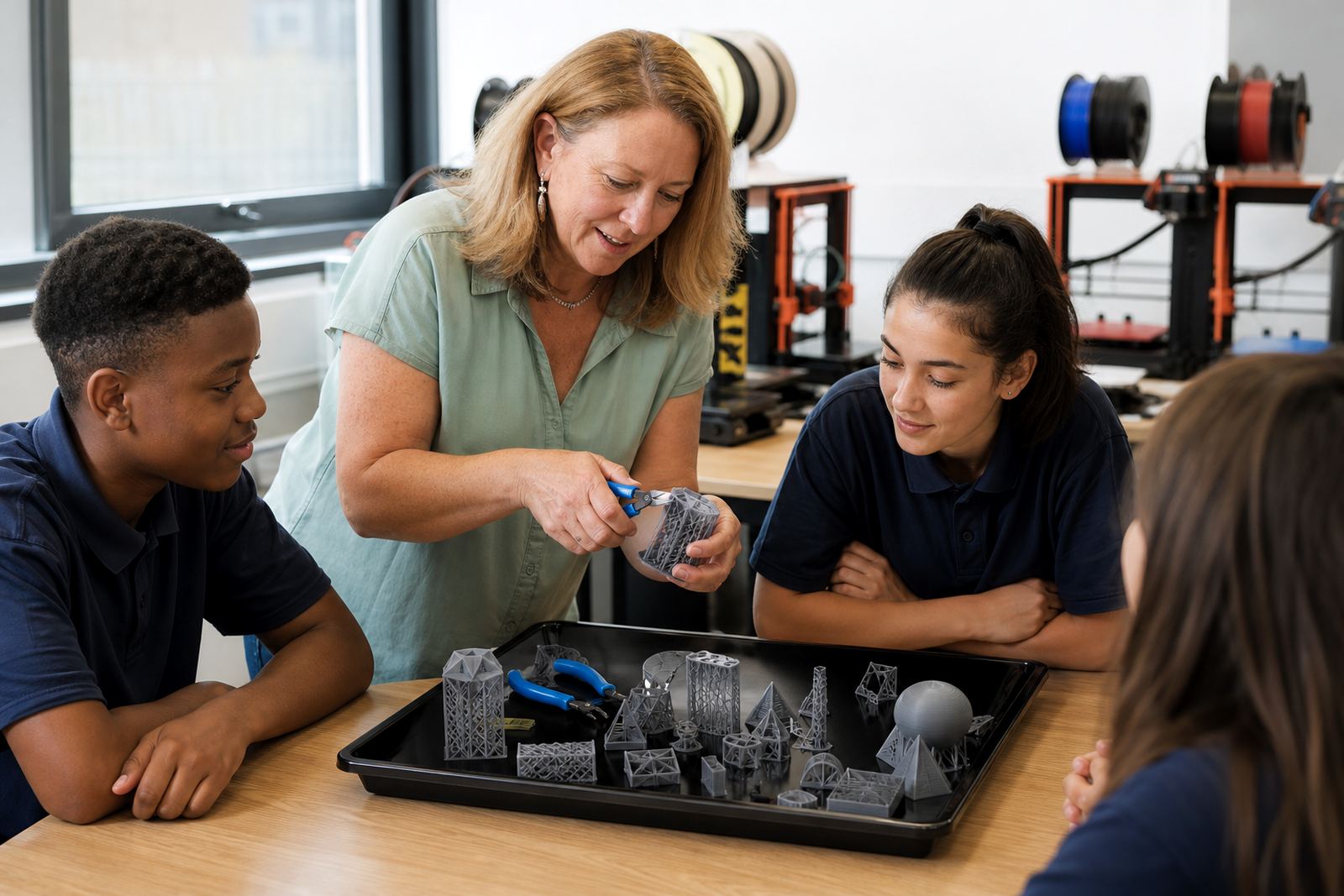
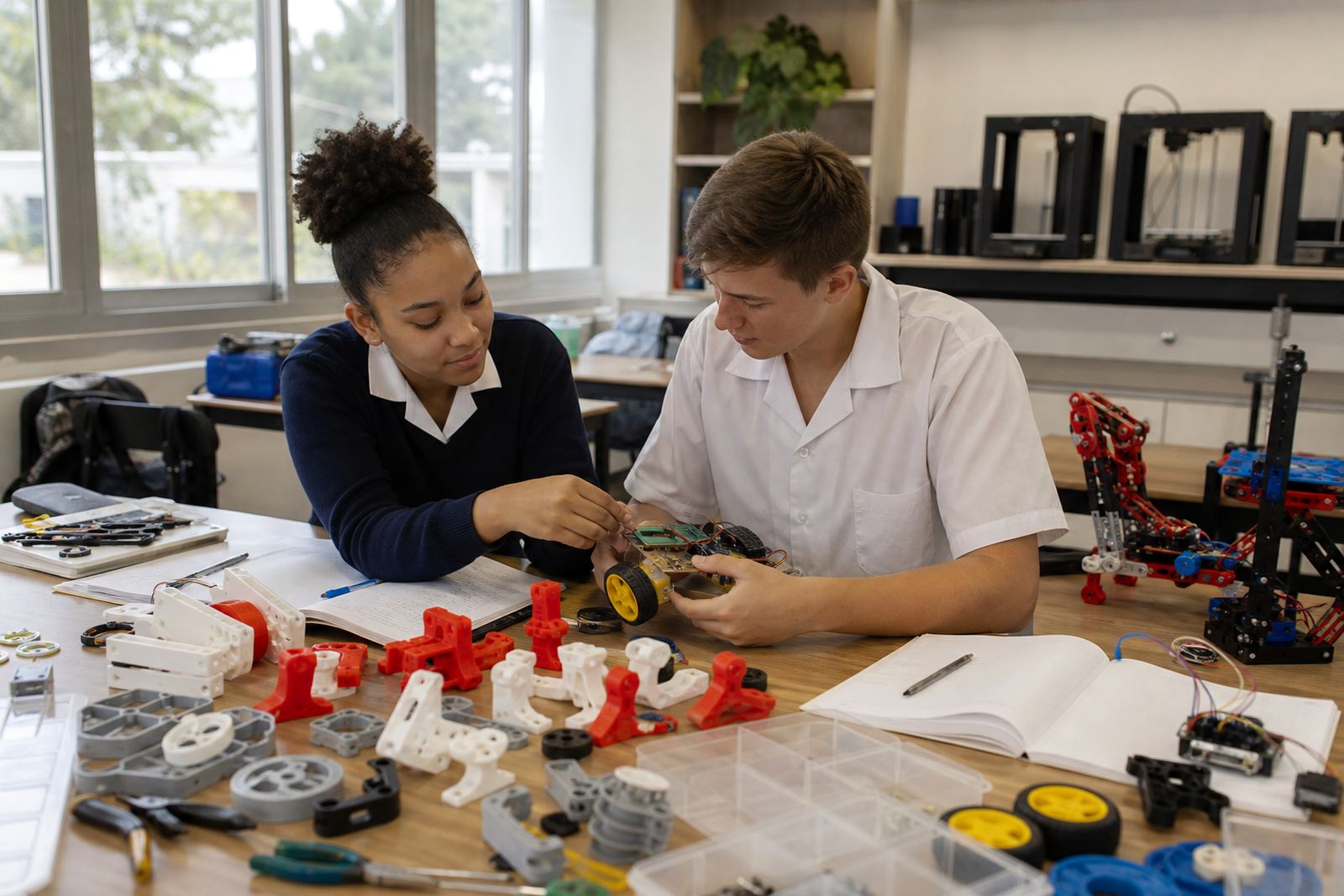
Depending on the chosen option, the pack can support individual learners, small groups or a full class. It is useful for teacher-led lessons, after-school maker clubs and holiday programmes. The focus is practical work: sketching, planning, building, revising and presenting. In a South African classroom, that matters because schedules are full, classrooms are shared and teachers often need activities that can be set up quickly and packed away just as fast.
- Themed activity materials for classroom making
- Structured tasks that support design thinking
- Resources for individual, pair or group work
- Suitable for introduction to making, planning and iteration
Pack sizes and classroom options
Schools can choose the pack size that matches their learner count and how the space is used. A smaller option suits a single class or a focused club session, while larger options are better for multiple classes, a shared lab or a teacher resource room. If your school runs more than one stream, it is often better to order one complete class set than to split materials across rooms, as that helps with stock control and lesson planning.
The pack can be specified for lower primary, intermediate phase or senior learners, depending on the project level you need. Some schools prefer a general-purpose version for mixed groups, while others want a topic-based set for a term project or cross-curricular activity. We can also help you match the pack to the way your teachers work, whether they prefer guided lessons or more open-ended challenges.
- Single class pack for one group at a time
- Extended class pack for larger learner numbers
- Club pack for maker clubs and holiday programmes
- Teacher support pack for repeat use across terms
Where the pack suits best
The STEAM Project Pack works well in schools that want a practical bridge between theory and doing. It suits STEM labs, technology classrooms, library makerspaces and multifunction rooms where equipment must be moved or stored between lessons. It also works for schools that are starting out with making activities and want something simple enough for teachers to manage without special technical training.
For schools in Cape Town, Stellenbosch, Paarl, Somerset West, Johannesburg, Pretoria, Durban and Gqeberha, the same pack can be used in different settings, from formal lessons to enrichment sessions. It is especially handy where load-shedding, shared resources and limited prep time mean lessons have to be planned carefully. In coastal areas, storage conditions matter too, so keeping materials dry and organised helps the pack last longer.
It is not only for high-tech spaces. A normal classroom with tables, storage tubs and a teacher station is often enough. If your learners are new to making, the pack gives them a clear starting point without needing a full fabrication setup.
Setup, power and room requirements
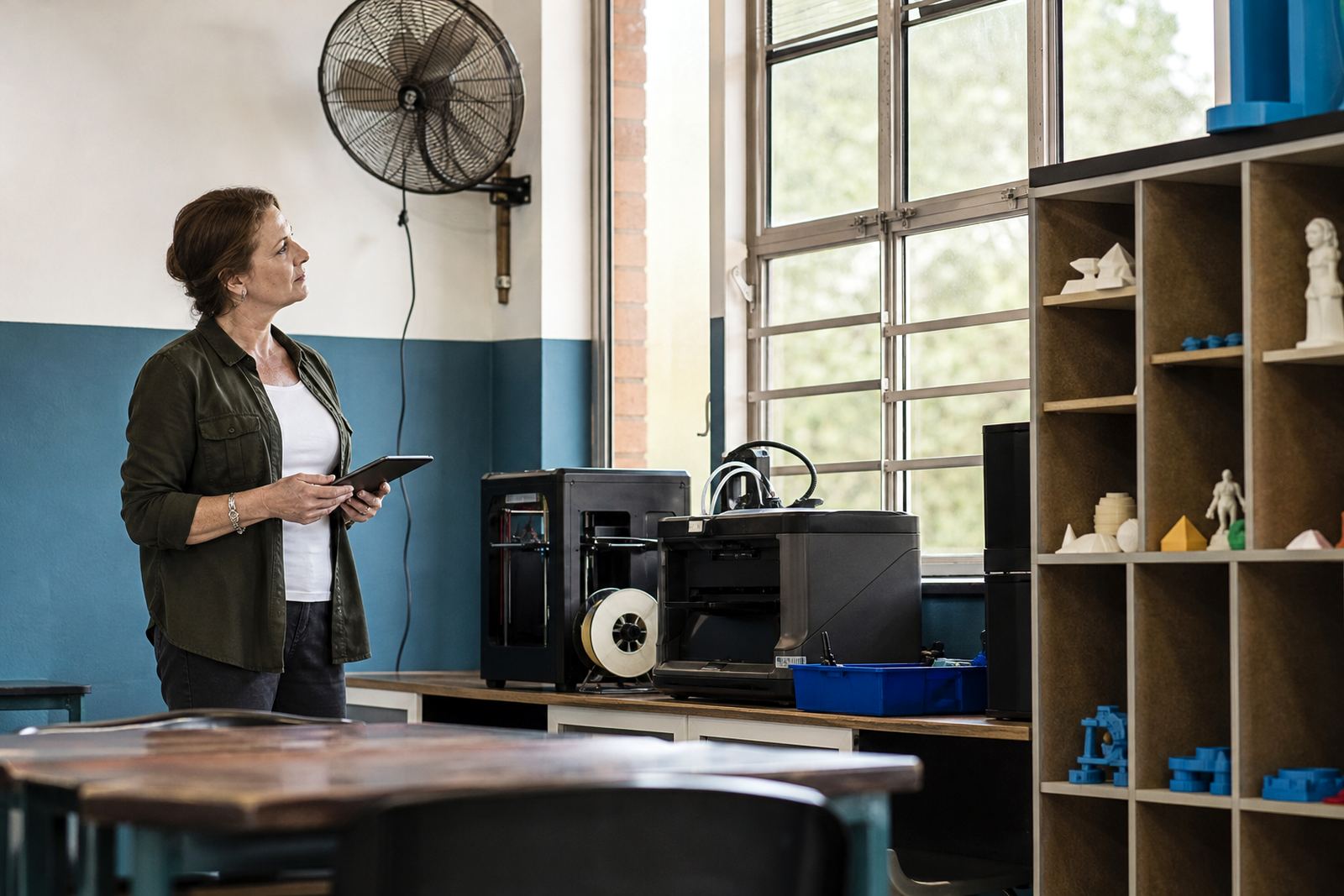
The STEAM Project Pack is designed for simple classroom use. Most activities need a flat working surface, good ventilation and secure storage for the components. If the pack is used with tools or digital devices, the room should have enough table space for learners to work safely without crowding each other. Teachers should also plan a basic clean-up area for sorting parts and checking completed work.
Power needs depend on the way the pack is used. Some classroom activities may only need basic power for charging devices or running a connected machine, while others may use plug points for a printer or computer station. It is wise to check available sockets, extension safety and backup power arrangements if your school is affected by load-shedding. No gas is required for standard classroom use. If a school intends to combine the pack with other workshop equipment, the room layout should be reviewed first.
- Flat worktables and clear storage space
- Access to safe plug points where needed
- Ventilation for any machine-based activity
- Dry storage away from damp walls and windows
Care, storage and term-by-term servicing
Good care keeps the pack usable across multiple terms. Materials should be returned to labelled containers after each lesson and kept in a dry cupboard or storeroom. In humid coastal areas, sealed storage is helpful because moisture can affect paper-based items, adhesives and some learning materials. A quick end-of-lesson check also reduces missing parts, which saves time for the next class.
If the pack includes reusable equipment, basic servicing should be part of the school routine. That means checking cables, cleaning surfaces, confirming that moving parts operate smoothly and making sure nothing is stored under strain. Teachers should also inspect for wear before a new group starts using the pack. In general, a simple maintenance schedule works better than waiting until something fails mid lesson.
For younger learners, teacher supervision is important. Keep scissors, blades and any heated or powered items under control and store them separately when not in use. Clear classroom rules go a long way in keeping the pack safe and practical.
What to check before ordering
Before placing an order, confirm how many learners will use the pack, the age group, and whether you need a general kit or a topic-based option. It also helps to check what equipment the school already has so the pack can be matched to your existing setup. If the pack is for multiple rooms, note how many classes will share it and whether extra consumables are needed.
Ask about the following points so the pack arrives ready for the way your school works:
- Number of learners and preferred group size
- Age or phase of the class using the pack
- Available table space and storage space
- Any power limitations or load-shedding planning
- Whether you need consumables, tools or teacher guidance included
- Delivery address and whether the pack is for one site or several sites
If you are unsure which option is best, the school team can help you decide based on your timetable, room type and learner level. That saves time and prevents a box of resources arriving that is either too small or more complicated than your staff need.
Key facts
| Product type | Themed classroom resource pack for hands-on STEAM activities |
|---|---|
| Use case | Design, making, problem solving and project-based learning |
| Suitable settings | Classrooms, STEM labs, maker clubs and holiday programmes |
| Recommended room needs | Flat tables, dry storage, ventilation and supervised workspace |
| Power requirements | Basic plug points only if used with compatible equipment; no gas required |
| Care needs | Dry storage, part checking, surface cleaning and routine inspection |